
Come si lavora a No Bell. 9:15. Cominciamo la nostra giornata a scuola. L’aria è allegra e frizzante. Notiamo con sorpresa che i docenti indossano abbigliamento anni ‘80 e ci offrono cibo e bevande tipiche di quel periodo così importante nella storia del paese. Abbiamo la possibilità di parlare con alcuni dei docenti per meglio comprendere quale sia l’organizzazione delle lezioni e dell’anno scolastico. Apprendiamo con l’insegnante di inglese Justyna che il tempo scolastico è suddiviso in due quadrimestri nei quali ogni studente deve lavorare a circa sei tematiche, proposte in modo interdisciplinare, secondo la metodologia del project based learning. Alla fine di ciascun progetto, gli studenti presentano in piccoli gruppi quanto hanno appreso durante il percorso, durante il quale hanno un feedback continuo del docente attraverso test formativi frequenti e strumenti per autovalutarsi (ad esempio in forma di checklist per la verifica del raggiungimento obiettivi didattici). Gli argomenti intorno ai quali costruire i percorsi progettuali sono definiti dai docenti prima di iniziare la scuola, negli ultimi 15 giorni di Agosto; insomma, gli insegnanti si incontrano per progettare per tutto l’anno, pur rimanendo aperti al cambiamento qualora, insieme agli alunni, si capisse di dover ricalcolare la traiettoria per raggiungere il traguardo.
Laboratorio di lettura. Ci dividiamo poi in gruppi. Laboratori di polacco e matematica. Nell’aula di polacco troviamo gli alunni delle elementari con due insegnanti, in cerchio, su un tappeto, intorno ad un libro di Paulina Tyczkowska che racconta la vita dei bambini negli anni ‘80 e ‘90. Gli studenti hanno modo di condividere le loro impressioni sulla storia e, grazie a loro, scopriamo Pippi Ponczoszanca (la nostra Pippi Calze Lunghe) e che il garofano è un simbolo di rinascita. Attraverso giochi di ruolo che riproducono il modo di fare la spesa e di giocare in quel periodo, i bambini ci sanno raccontare i fatti presentati dall’autrice, oltre ogni barriera linguistica.




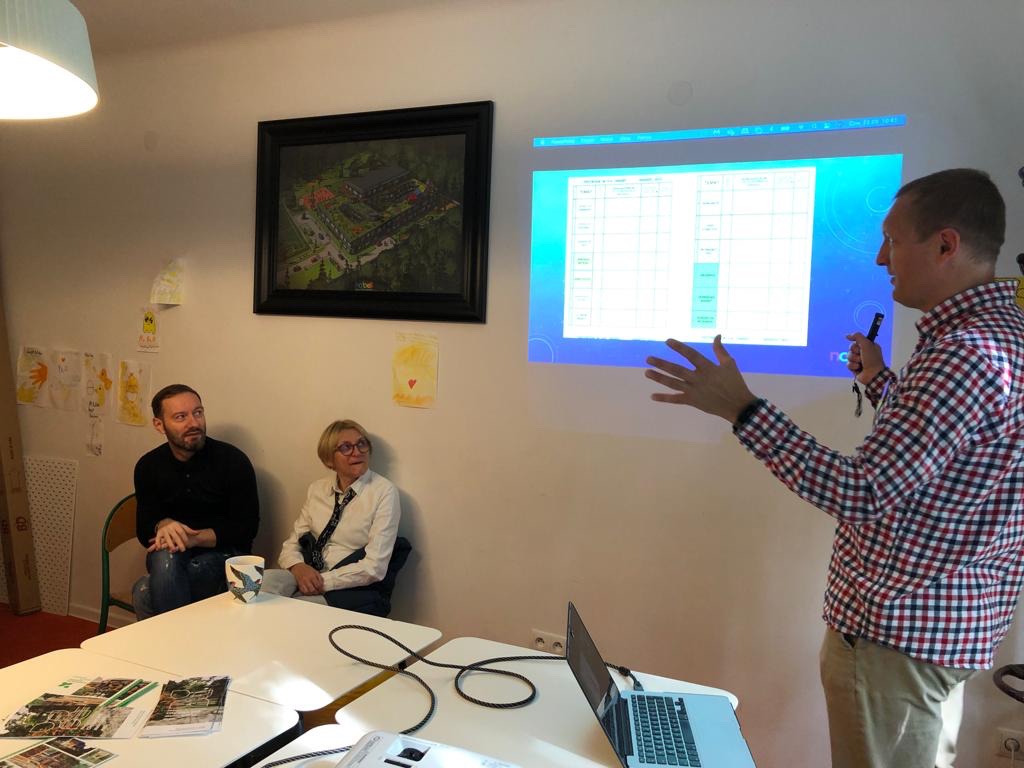
Valutazione. Foto di gruppo e poi, importante meeting sulle modalità di valutazione adottate in questa scuola. Non si usano voti numerici. Solo alla fine del percorso in No Bell vengono consegnati i documenti di valutazione, con numeri da 1 a 6. Una volta al mese, però, gli studenti e le loro famiglie ricevono un documento digitale in cui, attraverso sfumature di uno stesso colore, si indica il livello di raggiungimento degli obiettivi prefissati. Ogni docente disciplinare, tra cui anche quello di intelligenza emotiva, dovrà indicare dunque un colore per ciascun obiettivo su cui si è lavorato. Ci sono 4 ricevimenti genitori in anno, fermo restando il fatto che possono essere di più se necessario, e si consiglia alle famiglie di portare al colloquio i propri figli in modo che l’insegnante possa rivolgersi direttamente a loro. Fondamentali sono i processi di autovalutazione rappresentati dall’acronimo Nacobezu (a cosa presterò attenzione) che spingono ciascun alunno a riflettere sui propri percorsi di apprendimento, e individuare cosa ha compreso bene, cosa avrebbe bisogno di approfondire e cosa rimane ancora poco chiaro. Naturalmente l’insegnante, in questo ultimo caso, fornirà attraverso dei cloud tipo Classroom degli strumenti per esercitarsi e migliorare.


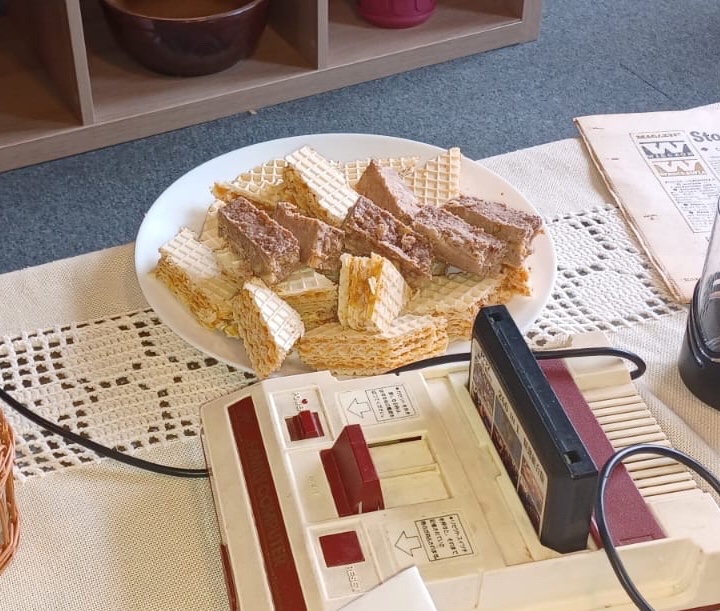
Intelligenza Emotiva. Siamo invitati a vedere degli sketches a tema anni ‘80 da un piccolo gruppo di alunni della primaria che ci offrono anche dei buoni dolci tipici dell’epoca e poi a sperimentare un laboratorio di mindfulness condotto dalla docente di intelligenza emotiva, che ci ha guidato inaspettatamente in un rilassante viaggio immaginario. Ogni gruppo della scuola ha un’ora a settimana di Intelligenza Emotiva in cui si impara a dare un nome e a esprimere le proprie emozioni con gli allievi più piccoli e a confrontarsi con la complessità delle relazioni intra- ed inter-personali e con la gestione di sé e del proprio presente per i grandi. Le lezioni prevedono discussioni dopo aver visto un film, prestare un servizio nella propria comunità o trattare una tematica significativa per il gruppo con cui si sta lavorando. Gli insegnanti sono due e sono psicologi a disposizione nella propria aula ogni volta che un alunno esprime il desiderio di essere ascoltato.


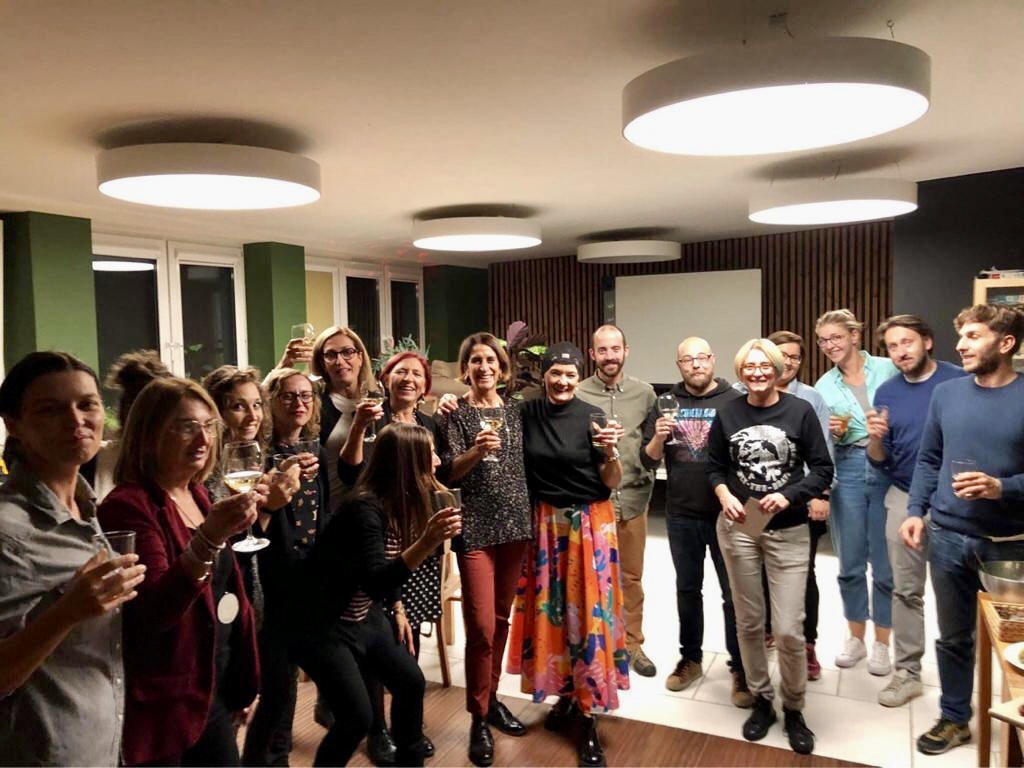
Cena. La sera siamo accolti dai nostri colleghi nella mensa della scuola con un banchetto d’eccezione: ciascuno ha preparato qualcosa. Serata piacevolissima all’insegna della speranza di lavorare presto e ancora insieme.




Ore 11.00. Johanna, la methodologist e formatrice di NoBell, in realtà quella che mi sembra essere la tuttofare della scuola che ci ha seguito e smistato nelle diverse attività di questi giorni, ci chiede se vogliamo assistere alla lezione di polacco o di matematica. Io che insegno matematica e so esattamente quale prof terrà la lezione, mi fiondo velocemente nell’aula dove incontro Andrei (il prof) e circa 12 bambini tra i 7 e i 9 anni vestiti in abiti che ricordano gli anni ’80. Mi chiedo come mai, sembra una scena leggermente assurda vedere bambini vestiti come degli adulti di 30 anni fa. Poi mi ricordo che Johanna ci aveva parlato della giornata in cui si ricorda a scuola la fine del comunismo in Polonia e la nascita della democrazia. Quella giornata è oggi e tutti, prof e studenti, indossano vestiti che ricordano quell’importante periodo di diversi anni fa.
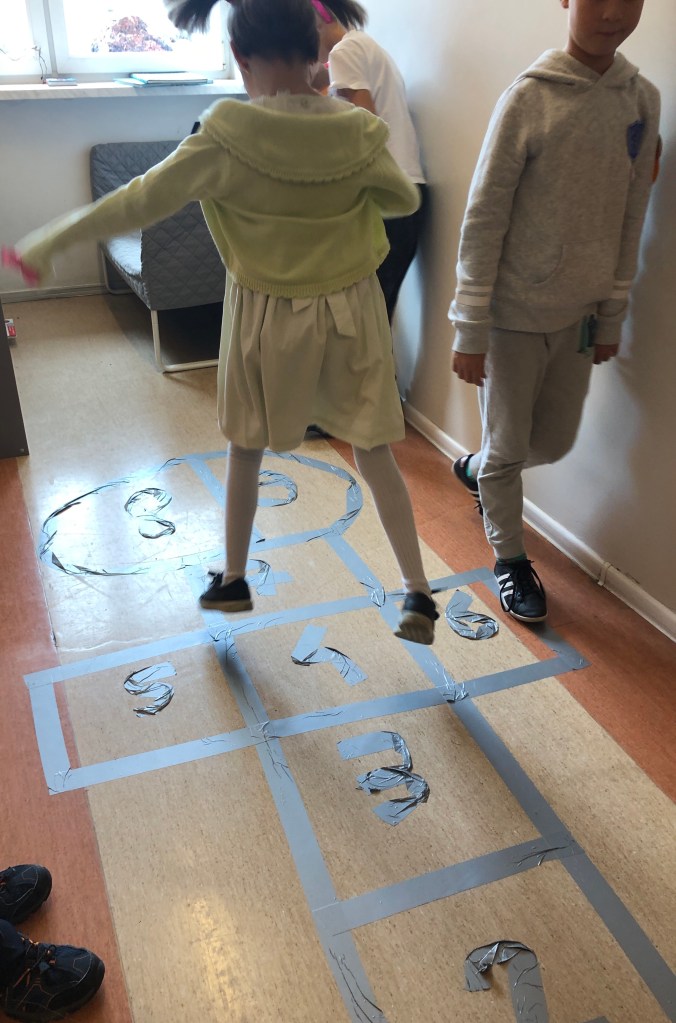
Tornando alla lezione, Andrei dopo aver dato poche e precise indicazioni, con l’aiuto di un altro insegnante tutor con l’obiettivo di aiutare i ragazzi nelle loro attività quotidiane, invita i bambini ad uscire fuori dall’aula per andare in cortile a fare alcuni giochi matematici. Ancora una volta attività pratiche e all’aperto. Andrei raccoglie il materiale e usciamo fuori insieme; lui è bravissimo nel creare un rapporto di fiducia e collaborazione con i bambini. L’abbiamo visto diverse volte all’opera in questi giorni e ci ha sempre colpito per il carattere laboratoriale delle sue lezioni. Propone dei giochi tipici di quegli anni descritti in precedenza, ma dandogli un taglio matematico ricco di stimoli e sfide. Il primo si chiama “kapsle klas”, una sorta di gioco della “campana” in cui i bambini devono svolgere e portare a termine un percorso disegnato a terra saltellando e alla fine del quale devono svolgere alcune operazioni matematiche. L’altro gioco, dal nome “guma” è ancora più stimolante: i bambini conservano tra le mani un tappo spingendolo su un percorso disegnato a terra, fatto di riquadri dove ci sono dei numeri e, attraverso somme e sottrazioni, completare un punteggio di 150 punti. L’atmosfera è serena, i ragazzi giocano tranquilli, fanno operazioni matematiche da soli o aiutandosi spontaneamente tra loro. Noi li guardiamo e proviamo a dargli una mano, loro accettano sorridendoci. Continuiamo con loro fino alla fine dell’attività. Qui non ci sono campanelle, le lezioni terminano spontaneamente.


Giuliano
“Terzo giorno ospiti della scuola “No bell” a Konstancin, dedicata ai gloriosi anni ’80, per loro storicamente tanto significativi. Ci siamo immersi in attività incentrate su questa tematica: la lezione outdoor con la quale sono state affiancate le operazioni matematiche ai giochi dell’epoca e la lezione di scienze durante la quale il prof con la parrucca riccioluta ha premiato i suoi allievi per aver raggiunto l’obiettivo del giorno apponendo medaglie al petto. Questa bellissima scuola innovativa è una scuola senza voti, senza giudizi, che punta sull’autovalutazione, sull’analisi del percorso e dei progressi personali, sulla relazione docente-alunno, che non è mai superata da quella docente-genitore. Una scuola che tra le discipline ha aggiunto l’intelligenza emotiva, durante l’insegnamento della quale i ragazzi possono rilassarsi, riflettere sulle emozioni e trovare strategie di gestione delle emozioni e dei conflitti. L’innovazione di questa scuola supera gli arredi, l’organizzazione, la struttura e caratterizza le menti di tutti i docenti che ne fanno parte.”
Ilaria e Monia

How to work in No Bell. 9:15. We begin our day at school. The air is cheerful. We notice with surprise that the teachers wear 1980s clothing and offer us food and drinks typical of that important period in the country’s history. We have a chance to talk with some of the teachers to better understand what the organization of classes and the school year is. We learn with the English teacher Justyna that the school time is divided into two terms in which each student has to work on about six topics, proposed in an interdisciplinary way, according to the methodology of project-based learning. At the end of each project, the students present in small groups what they have learned. During the labs they have continuous feedback from the teacher through frequent formative tests and tools for self-assessment (e.g., in the form of checklists for verification of achievement of learning objectives). The topics around which to build the learning paths are defined by teachers before school starts, in the last 15 days of August; in short, teachers meet to plan projects for the whole school year, while remaining open to change if, together with the pupils, it is realized that they need to recalculate the trajectory to reach the keys to success.
Reading workshop. We then divide into groups. Polish and Maths workshops. In the Polish classroom we find elementary school students with two teachers, in a circle, on a carpet, around a book by Paulina Tyczkowska about children’s lives in the 1980s and 1990s. The students get to share their impressions of the story, and through them, we discover Pippi Ponczoszanca (our Pippi Calzelunghe) and that the carnation is a symbol of rebirth. Through role-plays that reproduce the way of shopping and playing in that period, the children are able to tell us the facts presented by the author, beyond any language barrier.
Assessment. Group photo and then, important meeting on the assessment methods adopted in this school. No numerical grades are used. Only at the end of the course in No Bell assessment documents with numbers from 1 to 6 are handed out. Once a month, however, students and their families receive a digital document in which, through shades of the same color, the level of achievement of the set goals is indicated. Each discipline teacher, including the emotional intelligence teacher, must therefore indicate a color for each goal that each student tried to reach. There are 4 meetings with parents in a school year, with the understanding that there can be more if necessary, and families are advised to bring their children to the interview so that the teacher can address them directly. Fundamental are the self-assessment processes represented by the acronym Nacobezu (what I will pay attention to) that prompt each pupil to reflect on his or her own learning paths, and identify what he or she has understood well, what would need to deepen, and what still remains unclear. Of course, the teacher, in the latter case, will provide through clouds like Google Classrooms, tools to practice and improve.
Emotional Intelligence. We are invited to see 80s-themed sketches prepared by a small group of primary pupils, who also offer us good sweets typical of that period, and then to experience a mindfulness workshop led by the emotional intelligence teacher, who unexpectedly led us on a relaxing imaginary journey. Each group in the school has one hour a week of Emotional Intelligence. Younger students learn how to name and express their emotions, the older ones reflect on how to deal with the complexity of intra- and inter-personal relationships and the management of their self and present. Classes include discussions after watching a film, performing a service in one’s community or dealing with an issue significant to the group with whom one is working. There are two teachers and they are psychologists, available in their classrooms whenever a pupil expresses a desire to be heard.
Dinner. In the evening we are welcomed by our colleagues in the school canteen with an exceptional banquet: each one prepared something. Very pleasant evening filled by the hope to work together again soon.
11:00 am. Johanna, NoBell’s methodologist and trainer, actually the one who seems to me to be the school’s handywoman who has been following and sorting us through the various activities these days, asks us if we want to attend the Polish or Maths class. I, who teach Maths and know exactly who will teach the lesson, quickly rush into the classroom where I meet Andrei (the prof) and about 12 children between the ages of 7 and 9 dressed in 1980s clothes. I wonder why, it seems a slightly absurd scene to see children dressed like adults from 30 years ago. Then I remember that Johanna told us about the day on which Polish people remember the end of communism in Poland and the birth of democracy in school. That day is today and everyone, teachers and students alike, are wearing clothes that commemorate that important time.
Returning to the lesson, after giving a few precise directions, with the help of another tutor teacher, helping the children in their daily activities, Andrei invites them to go outside the classroom to the courtyard to play some Maths games. Once again outdoor activities. Andrei gathers the materials and we go outside together; he is great at building trust and cooperation with the children. We have seen him several times at work these days and he has always impressed us with the laboratory nature of his lessons. He offers games typical of those years described above, but giving them a mathematical slant full of stimulation and challenge. The first is called “kapsle klas,”: children have to perform and complete a path drawn on the ground by jumping and at the end of which they have to solve some mathematical operations. The other game, named “guma,” is even more challenging: children hold a cork in their hands by pushing it on a path drawn on the ground, made of squares where there are numbers and, through sums and subtractions, complete a score of 150 points. The atmosphere is peaceful, the children play quietly, doing mathematical operations on their own or spontaneously helping each other. We look at them and try to give them a hand, they accept by smiling at us. We continue with them until the end of the activity. There are no bells here; lessons end spontaneously.
Giuliano D.M.
“Day three as guests of the “No bell” school in Konstancin, is dedicated to the glorious 1980s, so historically significant for them. We immersed ourselves in activities centered on this theme: the outdoor lesson with which mathematical operations were proposed side by side with the games of the time and the science lesson during which the teacher with the curly wig awarded his students for achieving the day’s goal by affixing medals to their chests. This beautiful, innovative school is a school without grades, without judgments, which focuses on self-evaluation, analysis of personal development and progress, and the teacher-pupil relationship, which is never superseded by the teacher-parent relationship. A school that among the disciplines has added emotional intelligence, during the teaching of which children can relax, reflect on emotions and find strategies for managing emotions and conflicts. The innovation of this school exceeds the furniture, organization, structure and characterizes the minds of all the teachers who are part of it.”
Ilaria and Monia

