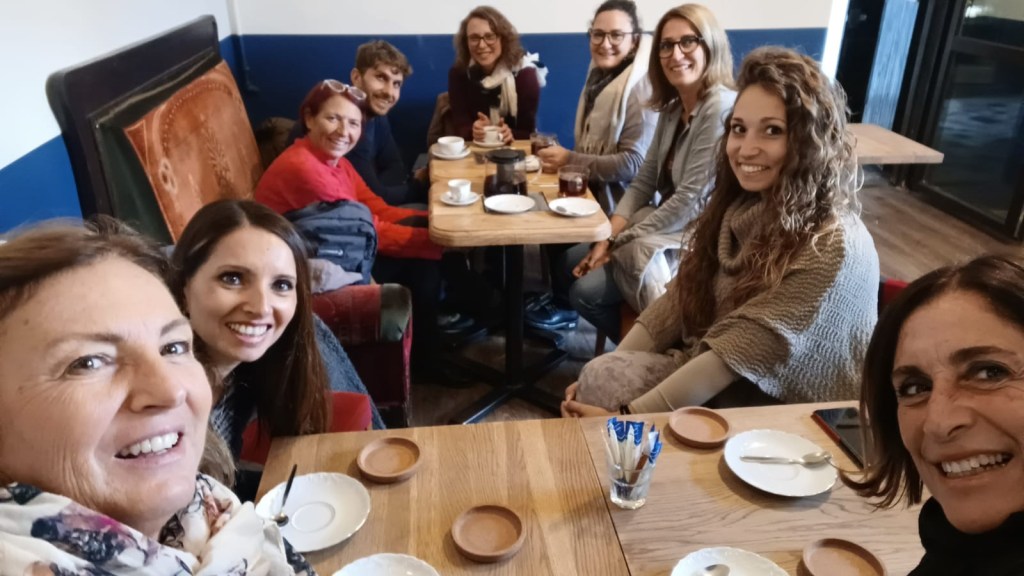
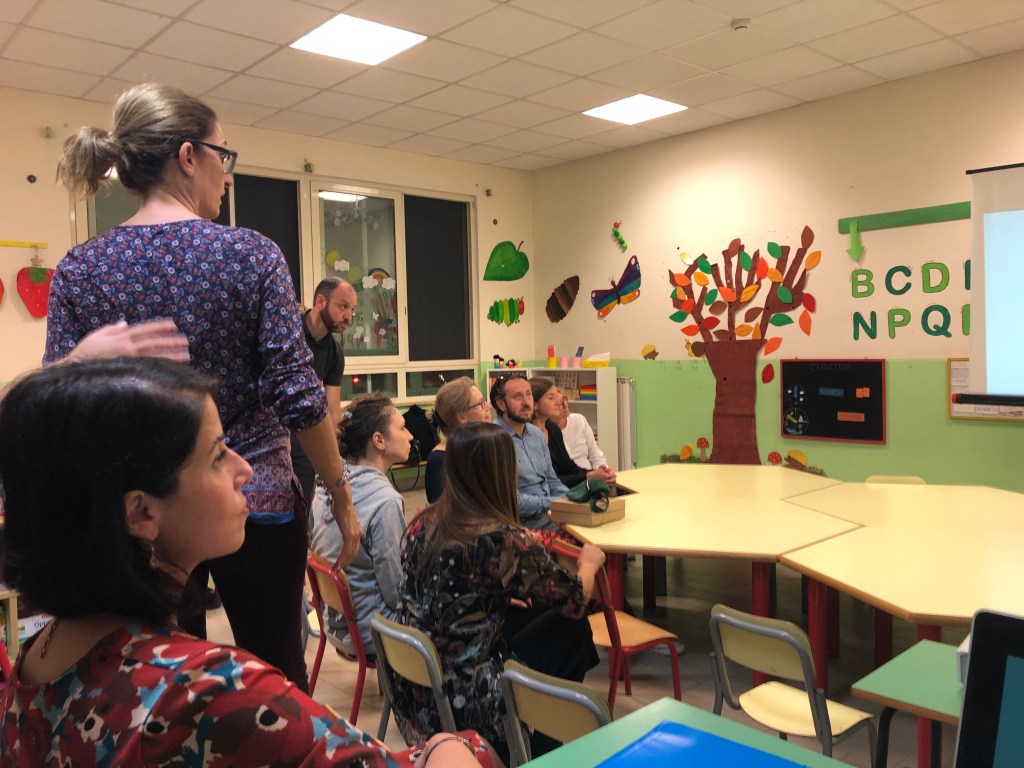
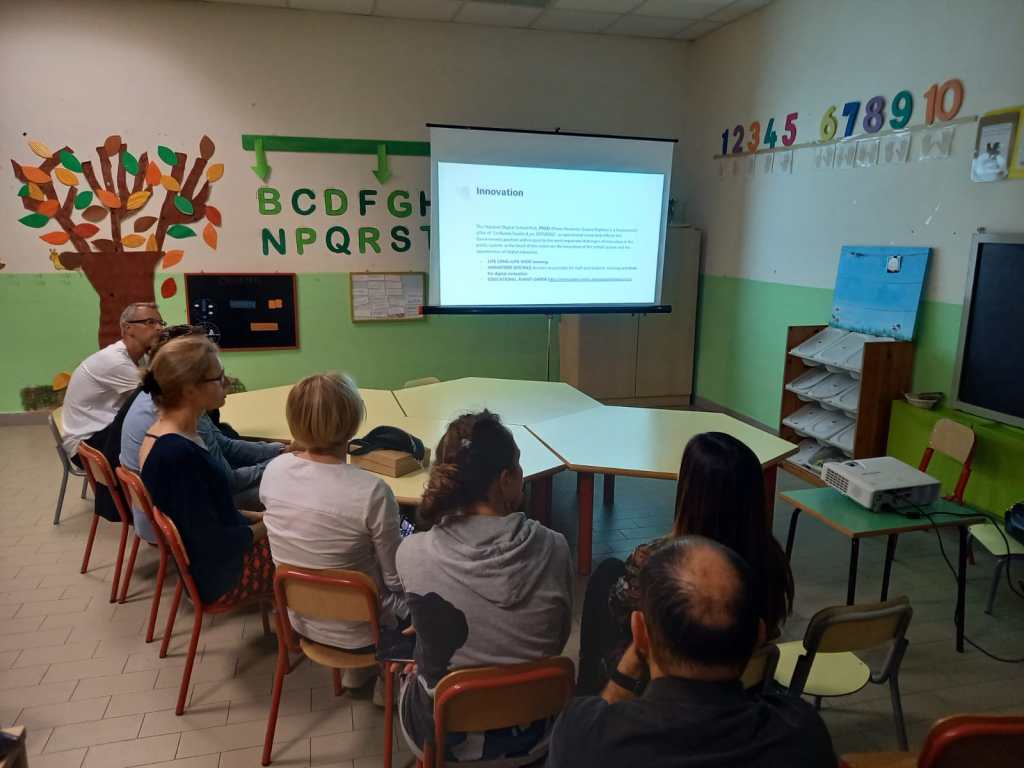
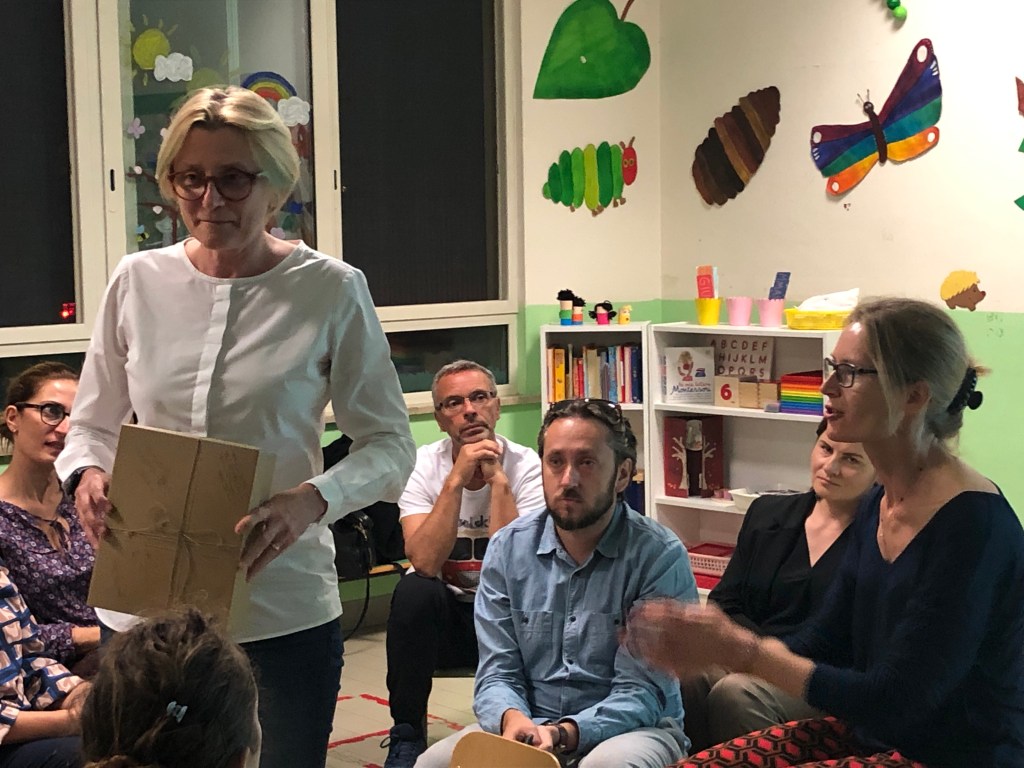
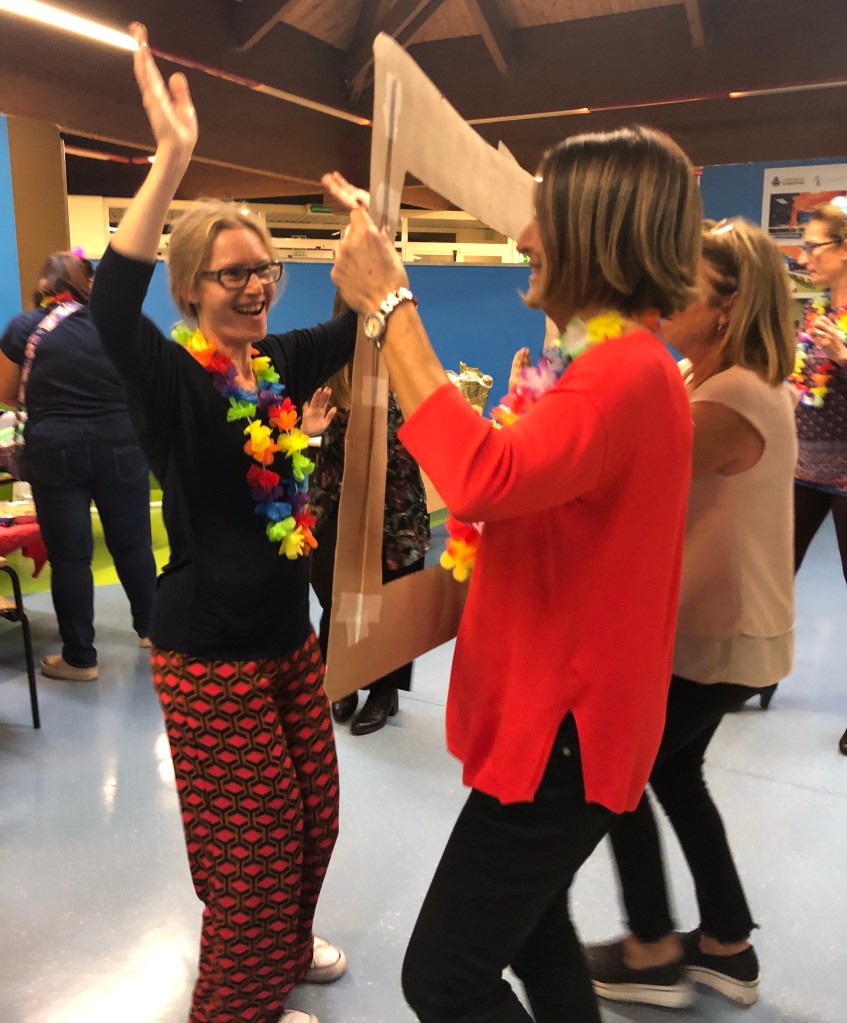
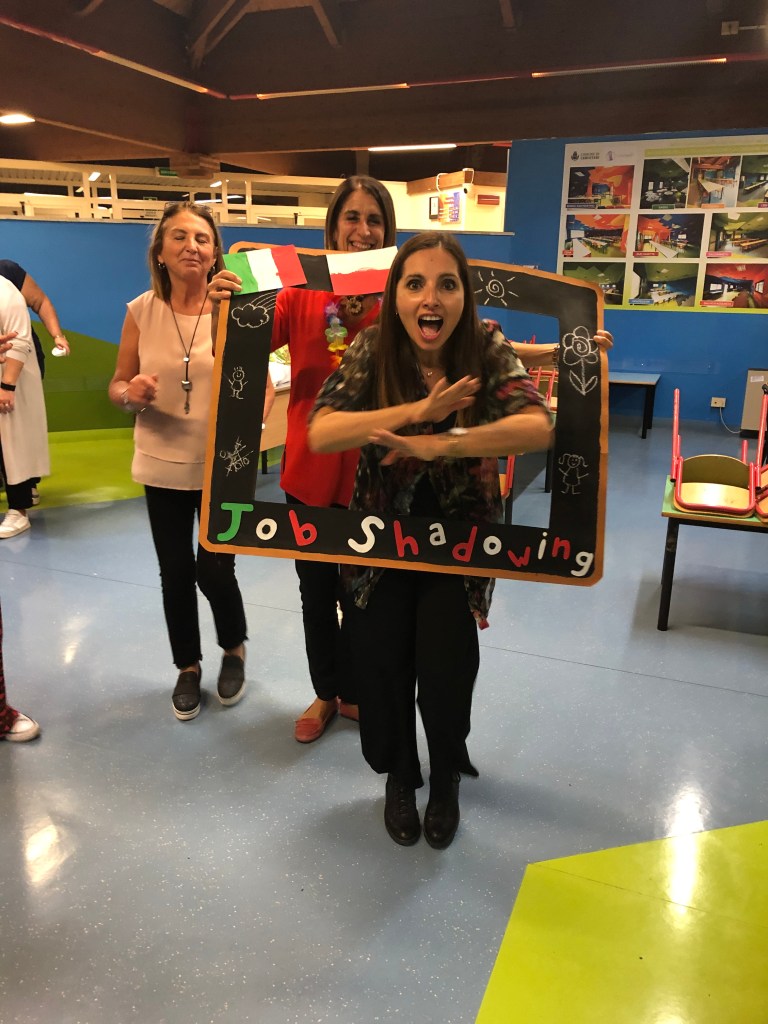
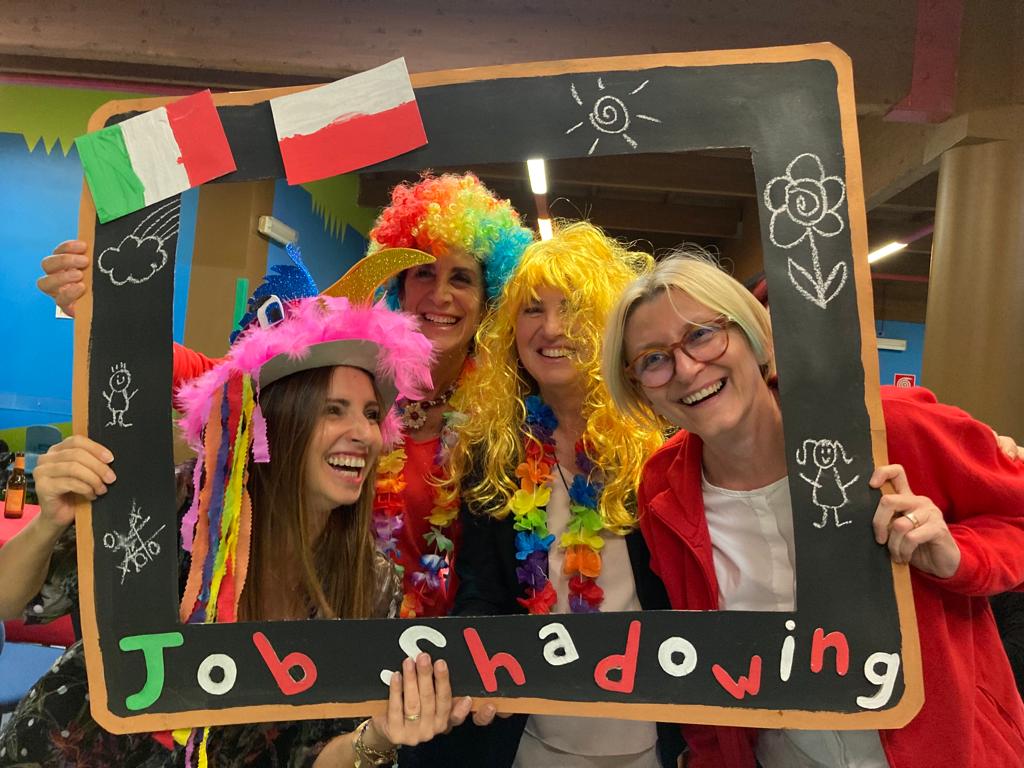
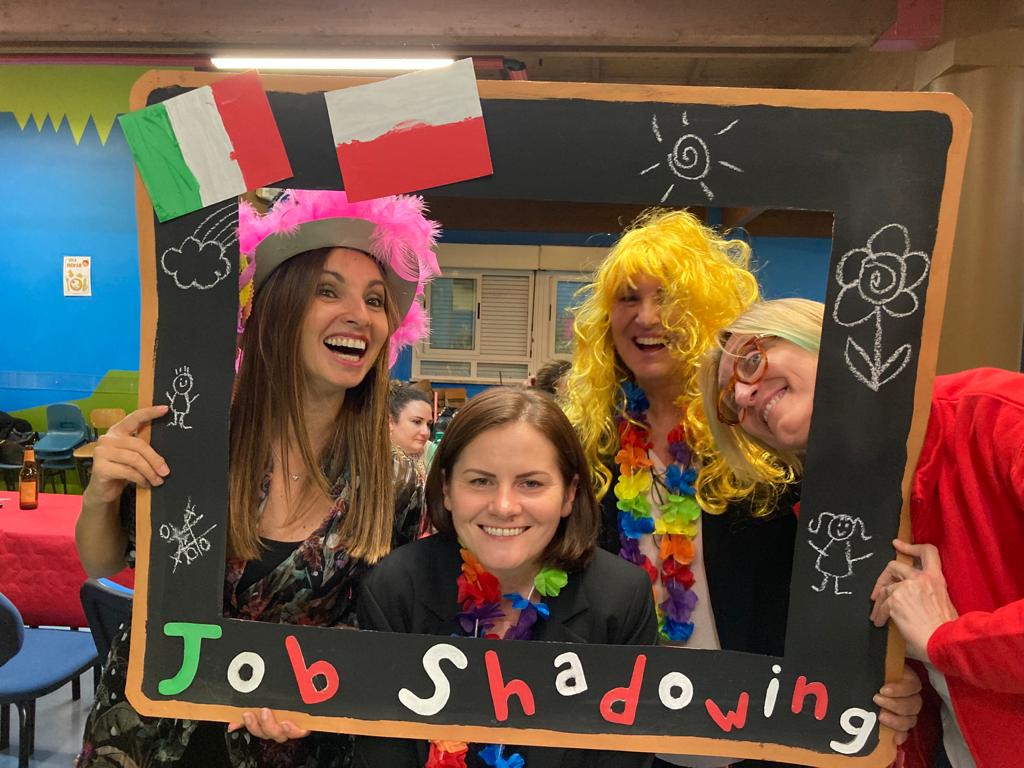
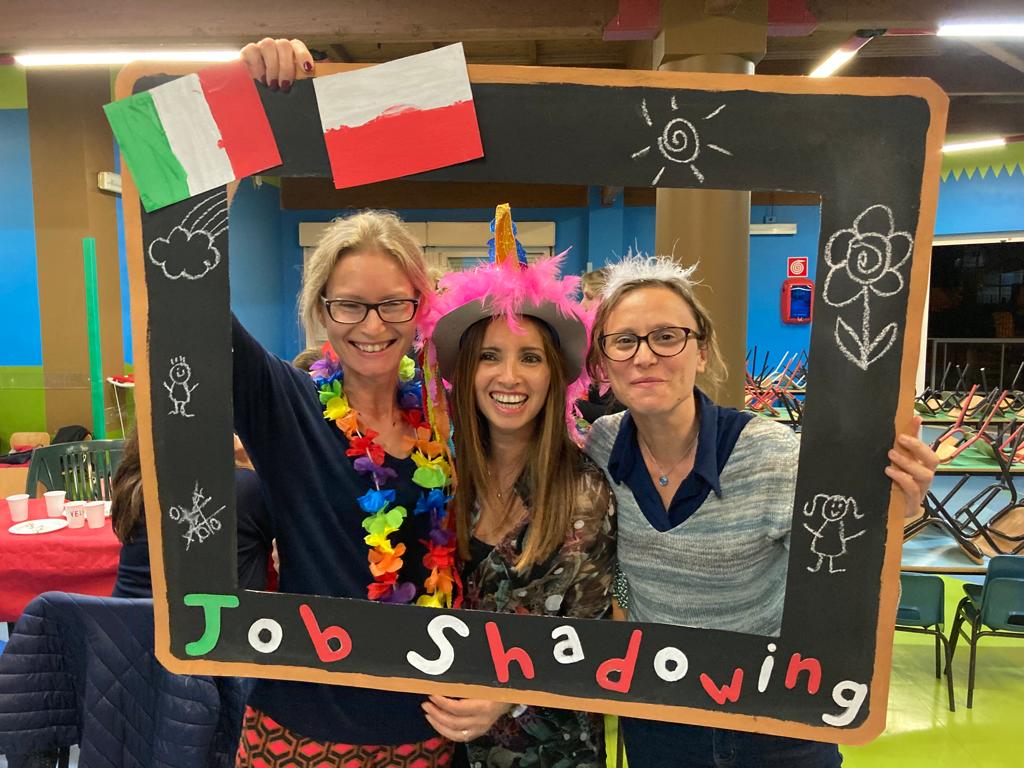
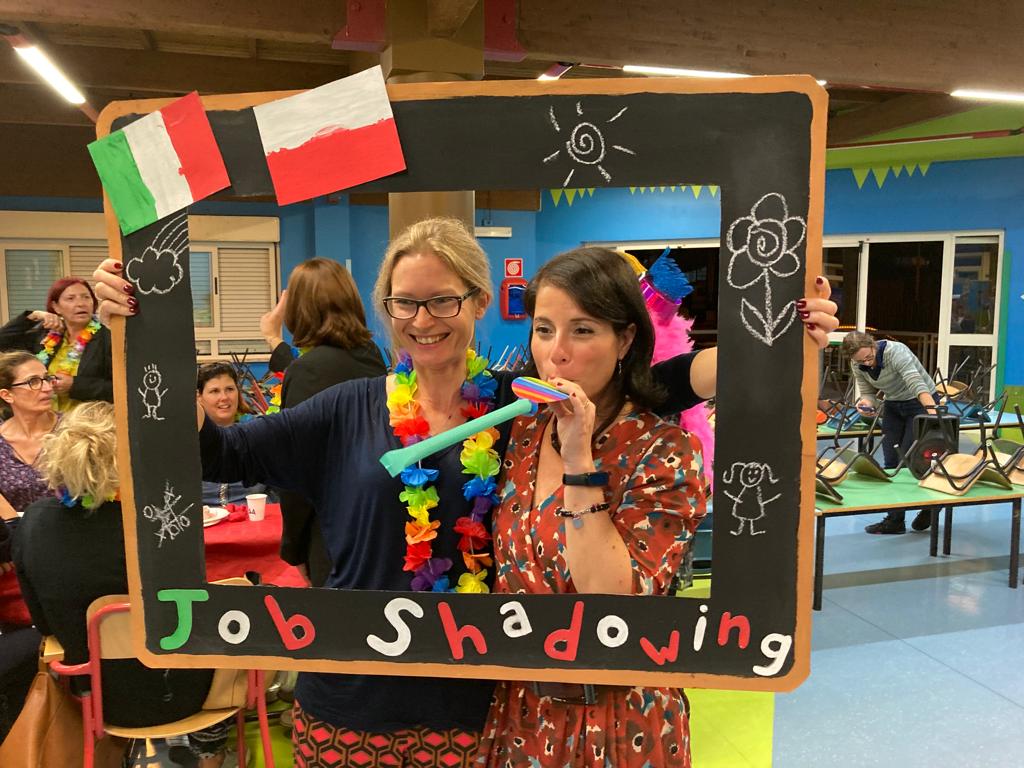
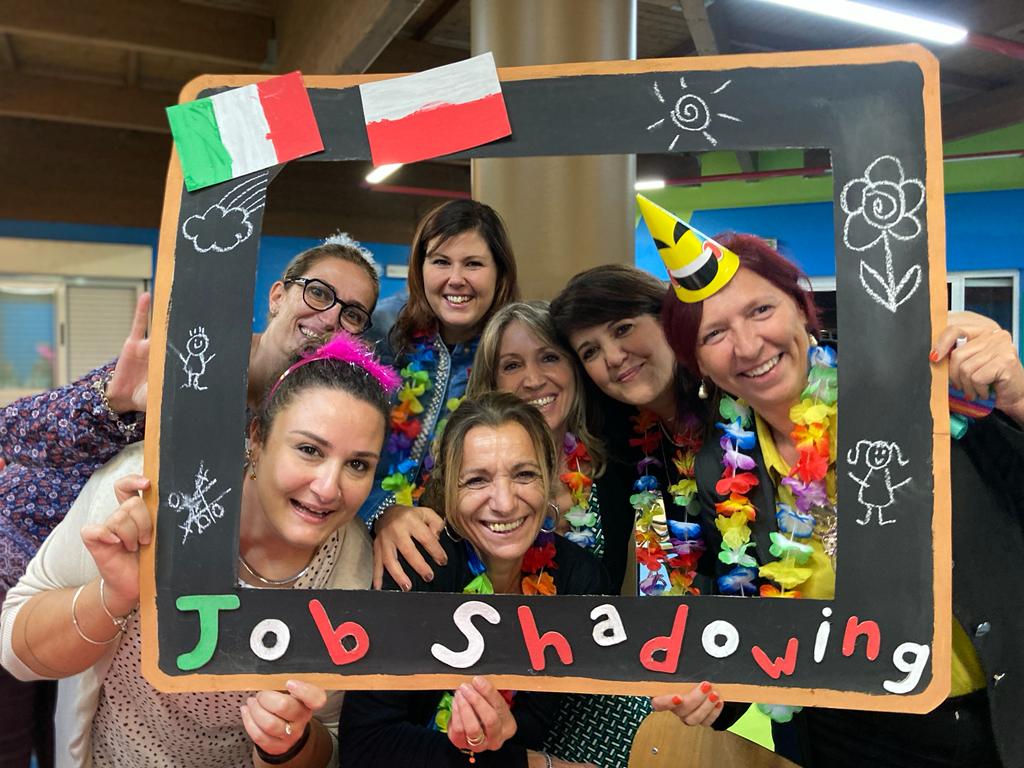
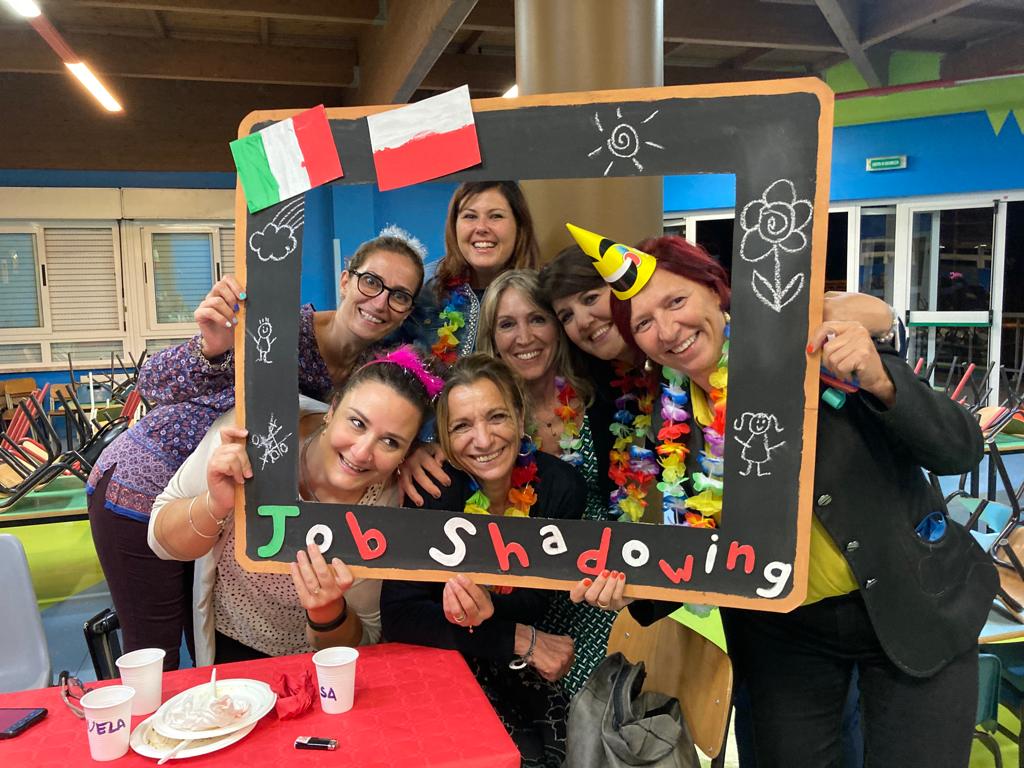
Our final day in Kostancin and anthology of thoughts about the experience.
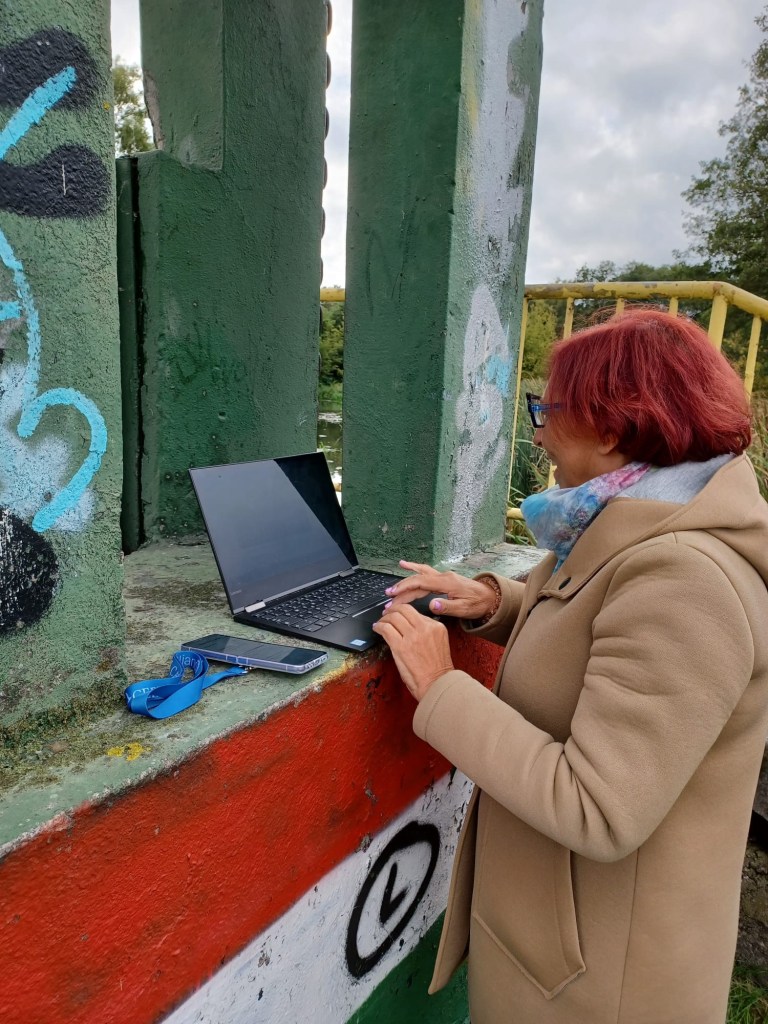
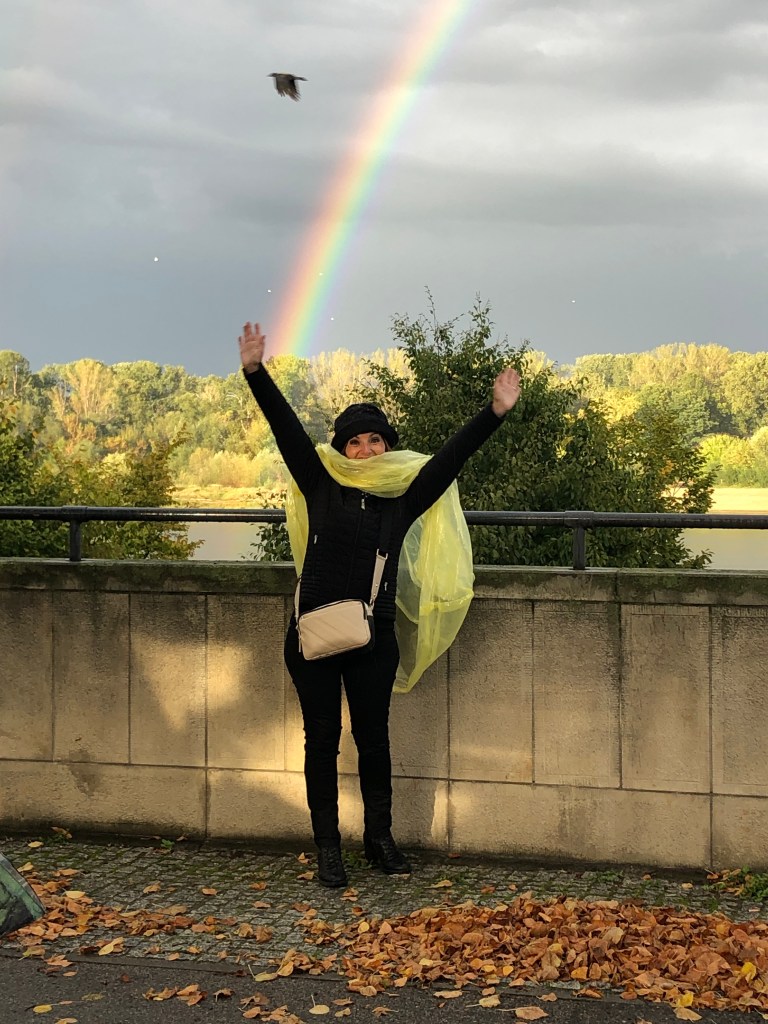
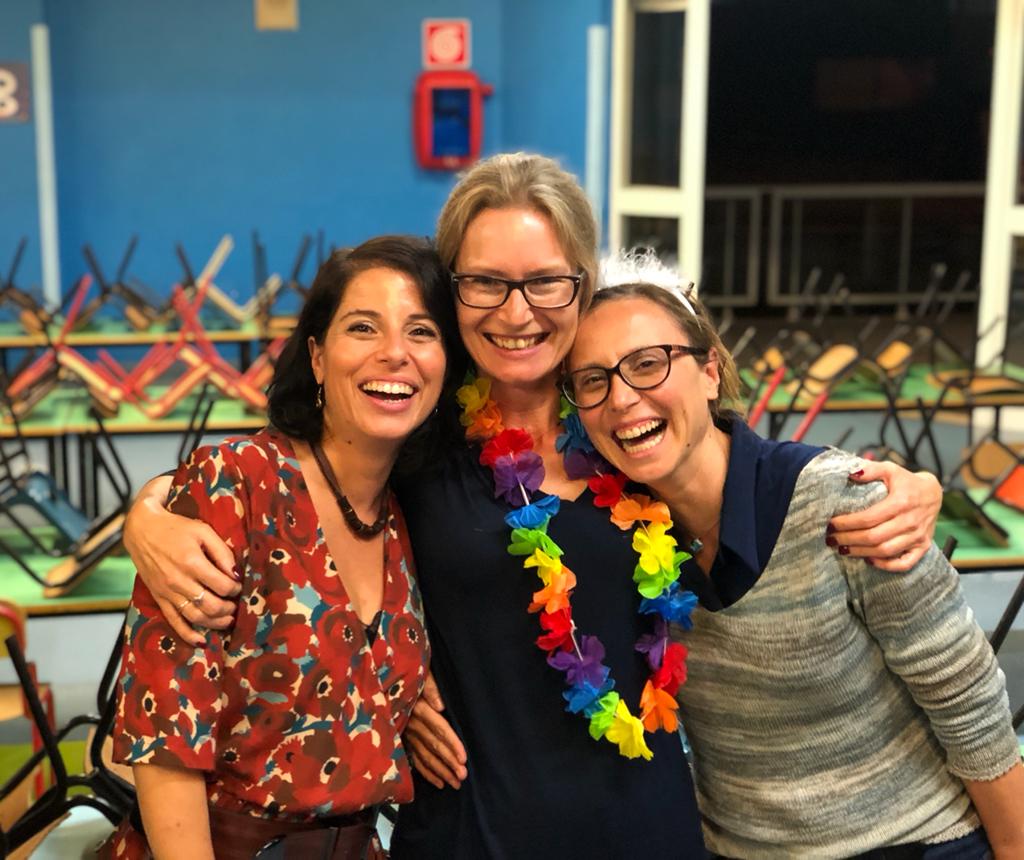
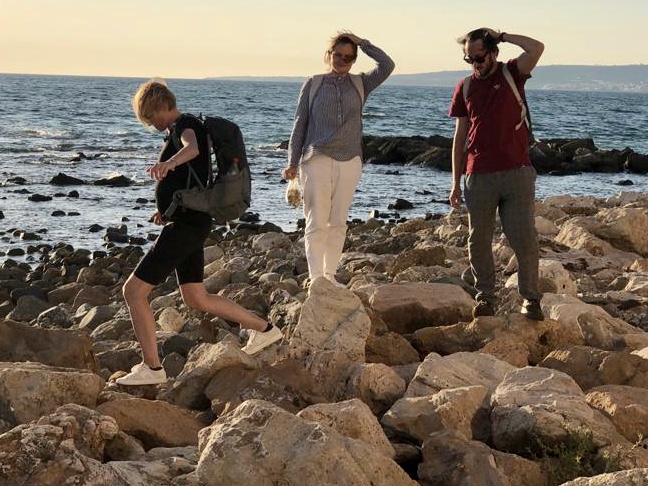
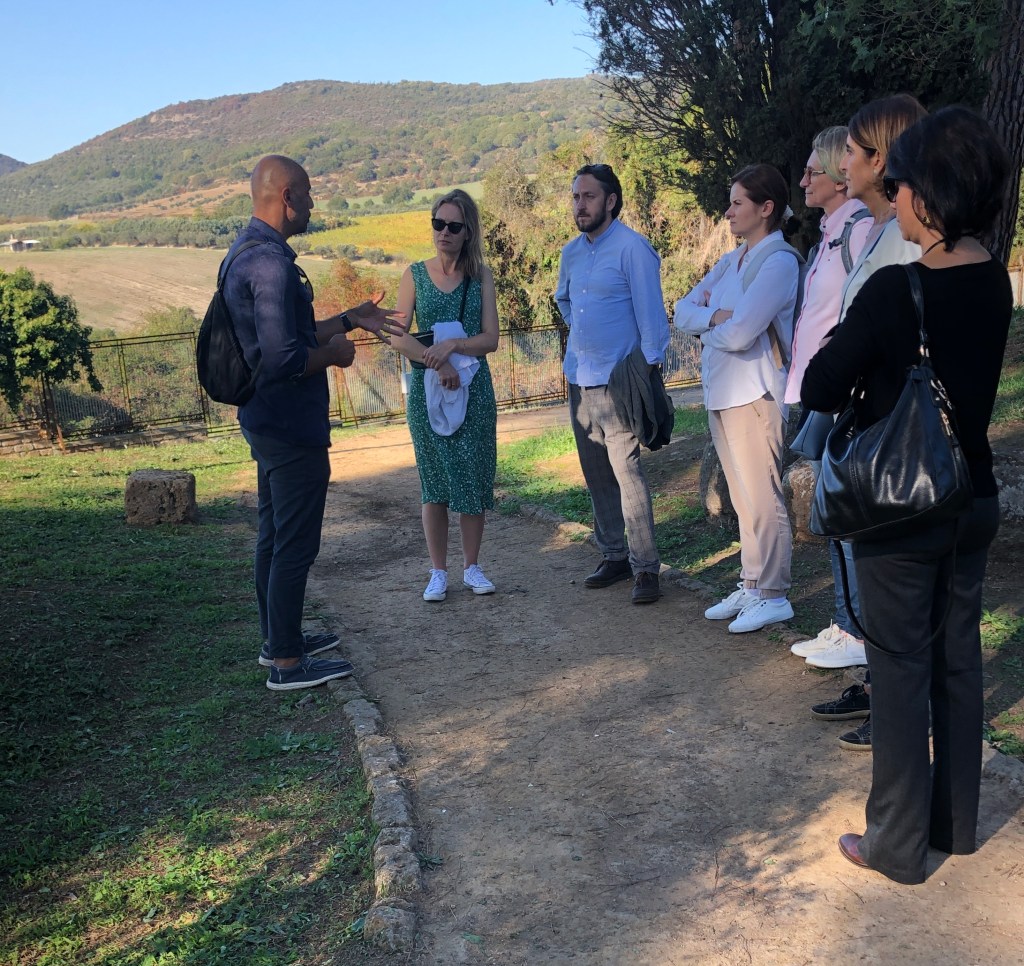
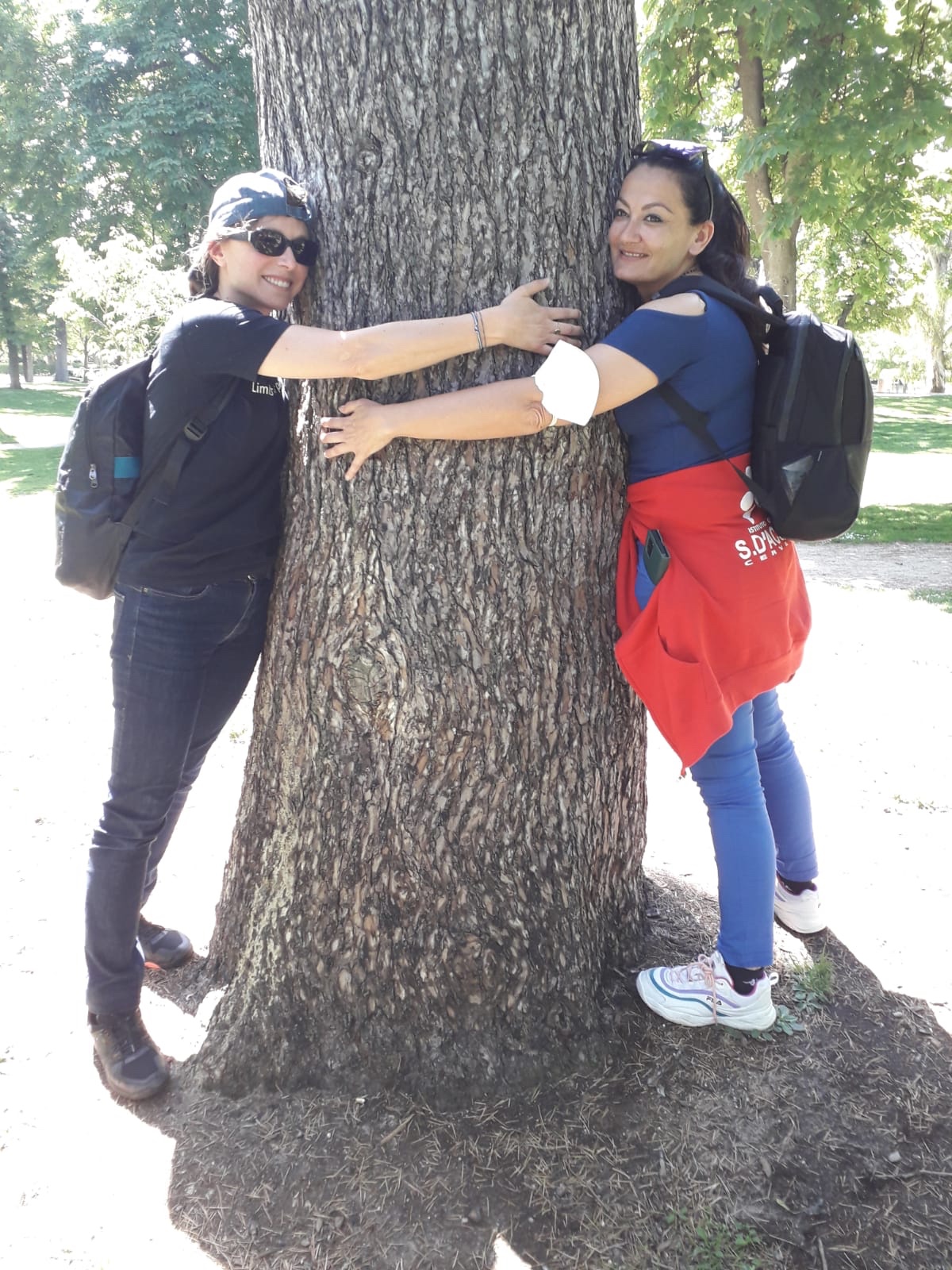
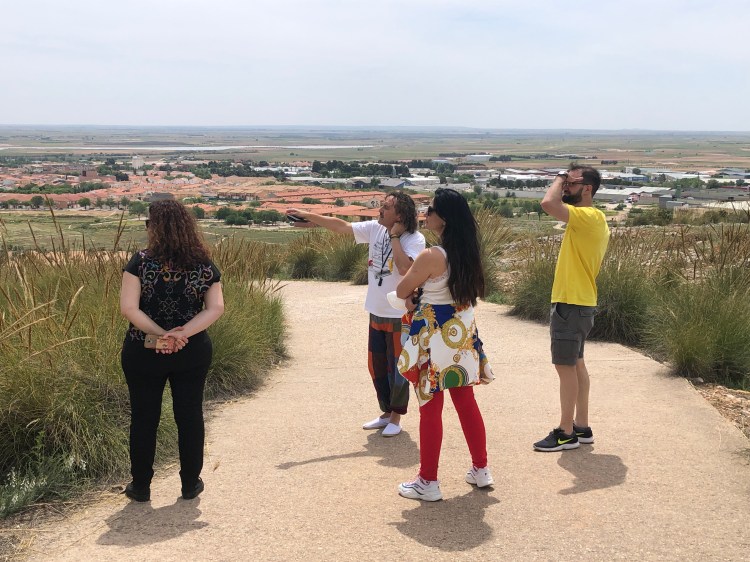
Iniziamo la nostra ultima giornata in Polonia con una bella passeggiata nel parco di Kostancin, un’ampia zona verde attrezzata, attraversata dal fiume Jeziorka. Passeggiando nel sentiero molto curato, godendo finalmente il primo sole di quel ‘settembre dorato’ che non abbiamo avuto finora modo di gustare, passiamo oltre un grande centro termale nel verde, Eva Park Life con SPA e numerose e maestose ville, alcune delle quali abbandonate, altre invece ristrutturate ed abitate da persone benestanti e, spesso, anche famose in Polonia. Facciamo una rilassante sosta nella Solanka, un centro all’aperto in cui si ha la possibilità di inalare acqua minerale vaporizzata di comprovate proprietà medicinali; esse infatti, oltre ad avere un effetto benefico sull’immunità generale del corpo, sono raccomandate per infiammazioni del sistema respiratorio, per il trattamento di ipotiroidismo, ipertensione e malattie dermatologiche legate ad allergie. Rinfrancati da questo benefico spazio di pace, continuiamo a passeggiare tra le ville, guidati dalla nostra cara collega Magda. Rimaniamo incantati da Villa La Fleur, che purtroppo possiamo ammirare solo dall’esterno. Di solito, il proprietario apre la sua dimora ai turisti per condividere con loro la sua collezione artistica e la bellezza degli interni. Dopo un ottimo pranzo nel locale Hugonówa Food Art Cafe, ci avviamo verso l’aereoporto per il ritorno a casa, grati gli uni agli altri per quanto condiviso, riconoscenti per la calda ospitalità offerta dai nostri colleghi della No Bell school, arricchiti professionalmente e umanamente dal confronto con loro e da quanto direttamente ci hanno permesso di osservare. Percepiamo quanto sia importante mettere insieme le idee e le forze per costruire progetti che permettano ai nostri giovani di esprimersi, fortificarsi e affrontare ogni genere di sfida, di quanto gli spazi di innovazione non siano solo fisici. Sentiamo di essere all’inizio di un proficuo tempo e spazio di reciproche ‘cure’.
Grazie a tutti/ tutte voi che ci avete letto e seguito in questa avventura.
Lucia F.


We begin our last day in Poland with a nice walk in Kostancin Park, a large, well-equipped green area crossed by the Jeziorka river. Strolling along the well-kept path, finally enjoying the first sunshine of that ‘golden September’ that we have not had the chance to enjoy so far, we go past a large SPA in the green, called Eva Park Life. Along the path there are numerous majestic villas, some of which are abandoned, others restored and inhabited by wealthy and often famous Polish people. We make a relaxing stop at the Solanka, an open-air centre where we have the opportunity to inhale vaporised mineral water with proven medicinal properties; besides a beneficial effect on the body’s general immunity, it is recommended for inflammations of the respiratory system, the treatment of hypothyroidism, hypertension and allergy-related skin diseases. Refreshed by this blessed space of peace, we continue to stroll among the villas, guided by our dear colleague Magda. We are enchanted by Villa La Fleur, which unfortunately we can only admire from the outside. Usually, the owner opens his mansion to tourists to share the artistic collection and the beauty of the rooms. After an excellent lunch in Hugonówa Food Art Cafe, we head for the airport to return home, grateful to each other for what we shared, thankful for the warm hospitality offered by our colleagues from the No Bell school, enriched professionally and humanly by the confrontation with them and what they directly allowed us to observe. We sense how important it is to put together ideas and forces to build projects that allow our young people to express themselves, strengthen themselves and face all kinds of challenges, and reflect upon the fact that spaces for innovation are not only physical. We feel we are at the beginning of a fruitful time and space of mutual ‘care’.
Thanks to all of you who have read and followed us on this adventure.
Lucia F.
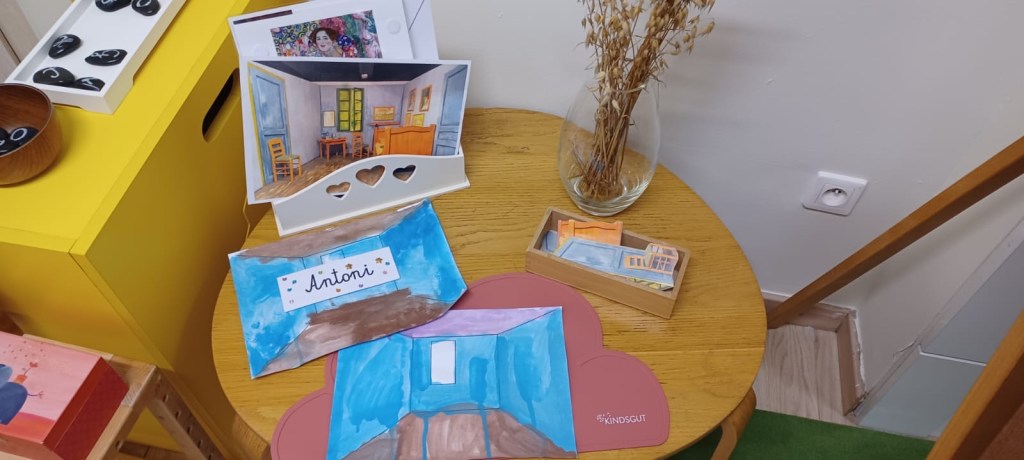
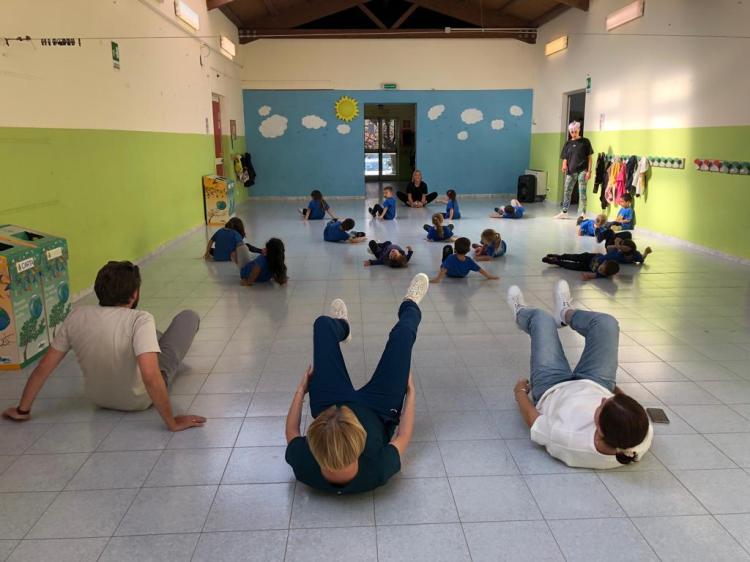
Un piccolo angolo di tranquillità. Questo è il primo pensiero che abbiamo avuto entrando nell’aula della scuola dell’infanzia qui alla “No Bell School” di Konstancin.
Quando siamo arrivati qui a Varsavia sapevamo che avremmo visitato una scuola d’avanguardia, innovativa, dando così per scontato che fosse anche ricca di tecnologia. Oggi, aspettando l’aereo per tornare in Italia, stiamo riflettendo sulla bellissima esperienza di questa settimana e possiamo concludere che l’innovazione non sta tanto nell’ambiente e nei materiali che hanno a disposizione, quanto e sopratutto nelle menti degli insegnanti e di tutto il personale.
Alessandra M. & Alessandra P.

A little corner of tranquillity. This was the first thought we had as we entered the kindergarten classroom here at the No Bell School in Konstancin. When we arrived here in Warsaw, we knew that we would be visiting a cutting-edge, innovative school, taking for granted that it was also full of technology. Today, as we wait for the plane to return to Italy, we are reflecting on the wonderful experience of this week and can conclude that innovation is not so much in the environment and the materials they have at their disposal, but above all in the teachers and all the staff’s minds.
Alessandra M. & Alessandra P.
Sono stati giorni interessantissimi quelli passati in una scuola alle porte di Varsavia. Siamo partiti da Cerveteri con un gruppo verticale: docenti dell’Infanzia, Primaria e Secondaria. Approdati in questa scuola piccola ma grande nel suo progetto educativo. Ospita alunni da 3 a 19 anni, compreso il liceo. Si chiama No Bell ( senza campanella) e già si può intuire la filosofia dell’Istituto. È una scuola montessoriana in tutte le sue sfaccettature. Mi è piaciuto molto il modo con cui ci hanno accolti, con una naturalità particolare, e nessuna difficoltà ad averci nelle loro aule durante la lezione. Al centro del modello pedagogico e didattico montessoriano vi è soprattutto lo studente, poi il docente. Uno studente che apprende autonomamente, con il supporto, nella prima infanzia, di un materiale scientifico opportunamente pensato e progettato per rappresentare la realtà che lo stesso imparerà a conoscere direttamente in età adolescenziale, e un docente che media questo rapporto con l’ambiente attendendo pazientemente la manifestazione spontanea delle attività cognitive e psico-sociali dello studente.
Questi bambini liberi di fare ognuno la propria attività senza alcuna imposizione mi hanno aperto il cuore: senza scarpe, vanno al bagno autonomamente, si servono l’acqua, scelgono l’attività, se sporcano puliscono.
Il principio secondo cui l’adulto non deve diventare un ostacolo nel processo di crescita del bambino e del ragazzo viene attuato ogni minuto. Qui il docente è libero da pregiudizi che lo inducono a vedere nel bambino un essere umano dipendente dagli altri e incapace di un agire autonomo. I bambini ed i ragazzi sono considerati gli artefici del loro sapere: non esistono distanze, né cattedre, né lezioni frontali; gli alunni di tutti i gradi accedono alla conoscenza con la mediazione del docente che diventa un punto di riferimento perché li aiuta, li ascolta, li motiva e soprattutto li rispetta senza partire dal presupposto che fanno confusione o che si distraggono o che non sanno organizzarsi parole che, al contrario, da noi sono parole d’ordine. Qui non esiste campanella perché se un alunno deve finire un lavoro di matematica finisce il lavoro quando è ora e poi inizia l’altra disciplina anche dieci minuti dopo senza stress e senza confusione; se in un’aula si entra e si esce durante la spiegazione è normale. Ah dimenticavo: non esistono collaboratori scolastici che controllano, tanto meno persone che sporzionano il pranzo: ognuno fa da se con piatti di ceramica e bicchieri di vetro con una naturalezza invidiabile. Come diceva Montessori: “Quasi tutta l’azione cosiddetta educativa è pervasa dal concetto di provocare un adattamento diretto, e perciò violento, del bambino e del ragazzo al mondo adulto: adattamento basato sopra una sottomissione indiscutibile e un’obbedienza illimitata, e che conduce alla negazione della personalità”.
“Aprite il libro”, “ Vi detto due parole..”, “Mettetevi in fila”, “Non alzatevi”, “non uscite”, “Che stai facendo mentre spiego?” sono frasi che in questa scuola non esistono ma incredibilmente non c’è confusione, anzi c’è un clima tranquillo e rilassato. Infatti hanno anche le lezioni sulla intelligenza emozionale nelle quali fanno rilassare i ragazzi e bambini per farli essere più felici e quindi più disposti ad apprendere. Il nostro obiettivo dopo la visita sarà quello di coinvolgere i docenti a capire questa nuova veste scientifica, dettata dalla capacità dell’educatore di “stare dietro le quinte” e di adattarsi a una flessibilità dei tempi di apprendimento, a fargli maturare l’atteggiamento paziente che lo guiderà verso il raggiungimento di nuovi obiettivi: l’osservazione del libero espandersi della personalità umana, la sospensione del giudizio, la capacità del “non intervento”, l’abilità a sostenere i bambini e i ragazzi nelle scelte e a orientarli senza ostacolare la loro volontà di abitare spazi e tempi di apprendimento autonomo.
Sono sicura che ci riusciremo insieme perché l’Istituto Salvo D’Acquisto è nato per riflettere sul suo stile educativo e ce lo riconoscono tutti!
Il dirigente scolastico, Dot.ssa Velia Ceccarelli
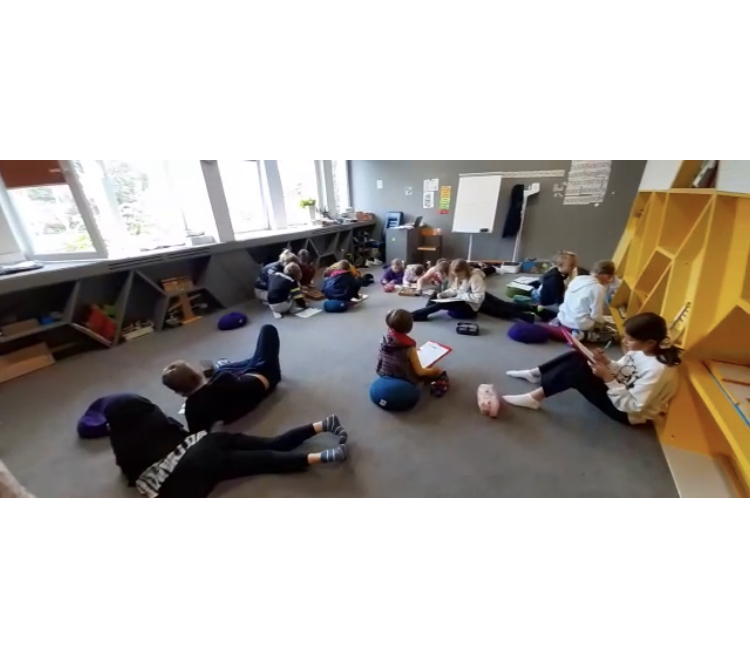
We spent very interesting few days in a school on the outskirts of Warsaw. We left Cerveteri with a vertical group: pre-school, primary and secondary teachers. We arrived at this school, small but big in its educational project. It hosts pupils from 3 to 19 years old, including high school. It is called No Bell and one can already guess from this name the school’s philosophy. It is a Montessori school in all its aspects. I loved the way they welcomed us, with a special spontaneity, and no difficulty in having us in their classrooms during lessons. At the heart of the Montessori pedagogical and didactic model is above all the student, then the teacher. A student who learns autonomously, with the support, in early childhood, of scientific material appropriately conceived and designed to represent the reality that he or she will learn to know directly in adolescence, and a teacher who mediates this relationship with the environment by patiently awaiting the spontaneous manifestation of the student’s cognitive and psycho-social activities.
These children who are free to do their own activities without any imposition have opened my heart: without shoes, they go to the toilet independently, they choose the activity, if they make a mess they clean up.
The principle that the adult must not become an obstacle in the growth process of the child and young student is implemented every minute. Here the teacher is free from prejudices that lead him or her to see the child as a human being dependent on others and incapable of autonomous action. Children and young people are considered the creators of their own knowledge: there are no distances, no chairs, a few lectures; pupils of all grades access knowledge with the mediation of the teacher who becomes a point of reference because he/she helps them, listens to them, motivates them and, above all, respects them without assuming that they get confused or distracted or that they do not know how to organise words which, on the contrary, are watchwords with us. Here there is no bell because if a pupil has to finish a Maths exercise, he/she finishes the work when it is time and then starts the other subject even ten minutes later without stress and without confusion; if you go in and out of a classroom during the explanation it is normal. Oh, I forgot: there are no school assistants to supervise, not even at lunchtime: everyone helps himself/herself with ceramic plates and glass glasses with enviable naturalness. As Montessori put it: “Almost all so-called educational action is pervaded by the concept of provoking a direct, and therefore violent, adaptation of the child and young person to the adult world: an adaptation based on unquestioning submission and unlimited obedience, and leading to the negation of personality”.
“Open the book”, “I’ll dictate a few words to you”, “Get in line”, “Don’t get up”, “Don’t go outside”, “What are you doing while I’m explaining?” are phrases that don’t exist in this school, but incredibly there is no confusion; on the contrary, there is a calm and relaxed atmosphere. In fact, they even have lessons on emotional intelligence in which they make the children relax to make them happier and therefore more willing to learn. Our objective after the visit will be to involve the teachers in understanding this new scientific aspect, characterised by the educator’s ability to ‘stay behind the scenes’ and to adapt to a flexible learning time, to develop the patient attitude that will guide them towards achieving new goals: the observation of the free expansion of the human personality, the suspension of judgement, the ability of ‘non-intervention’, the ability to support children and young people in their choices and to guide them without hindering their desire to inhabit spaces and times of autonomous learning.I am sure we will succeed together because Salvo D’Acquisto Institute was born to reflect on its educational style and everyone recognises that!
The Head of School, Ms Velia Ceccarelli
È stato incredibile vedere messe in atto quelle strategie didattiche, educative e formative che sogno da un bel po’ nella “scuola che vorrei”.
No campanella, no libri, no banchi, no voti…e per finire anche educazione alle emozioni!!
L’ emozione più grande per me: assistere alla lezione di matematica…perché non sarei mai potuta arrivare a pensarla così!
Cecilia R.
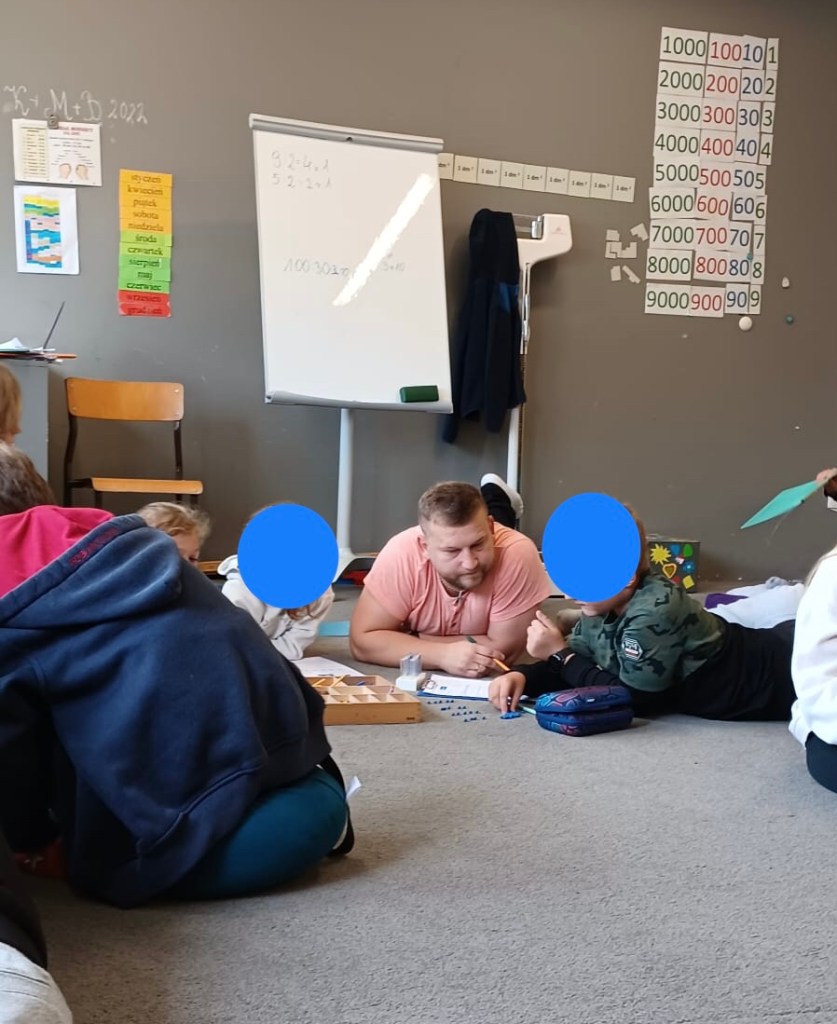
It was incredible to observe the actualisation of those educational and training strategies that I have been dreaming of for a while, and are in my picture of an ideal school.
Cecilia R.
No bells, no books, no desks, no grades…and to top it all, education in emotions!
The greatest emotion for me: attending the Maths lesson…because I could never have come to think it like that!
Abbiamo tutti studiato la pedagogia di Maria Montessori e i suoi valori fondanti ma vederli realizzati a scuola è stato veramente sorprendente. Gli aspetti che mi hanno colpito maggiormente sono stati: l’armonia e i sorrisi con cui gli alunni affrontano le lezioni, l’alto livello di autonomia che gli stessi hanno nel muoversi negli ambienti scolastici e nello svolgere le attività , le lezioni di intelligenza emotiva tenute dalla psicologa in modo sistematico durante la settimana.
È ovvio che non è possibile riprodurre questa organizzazione scolastica nel nostro istituto, perché significherebbe stravolgere tutto il sistema organizzativo e didattico, quello che possiamo fare è prendere degli spunti e cercare di adattarli alla nostra realtà.
Personalmente, devo dire che ho avuto tanti input, tante idee che devo organizzare e cercare di realizzare.
Lo scopo di questo progetto vuole essere proprio quello di farci riflettere sui nostri metodi e stili educativi e cercare di migliorarci e rinnovarci.
Marinella G.
We have all studied Maria Montessori’s pedagogy and her founding values, but to see them put into practice at school was truly amazing. The aspects that most impressed me were: the harmony and smiles with which the pupils approach lessons, the high level of autonomy they have in moving around the school environment and carrying out activities, and the emotional intelligence lessons held by the psychologist systematically during the week.
Marinella G.
It is obvious that it is not possible to reproduce this school organisation in our institute, because it would mean overturning the entire organisational and didactic system; I think that what we can do is taking some cues and trying to adapt them to our educational environment.
Personally, I have to say that I have had a lot of input, a lot of ideas that I have to organise and try to implement.
The purpose of this project is precisely to make us reflect on our educational methods and styles in order to improve and renew ourselves.
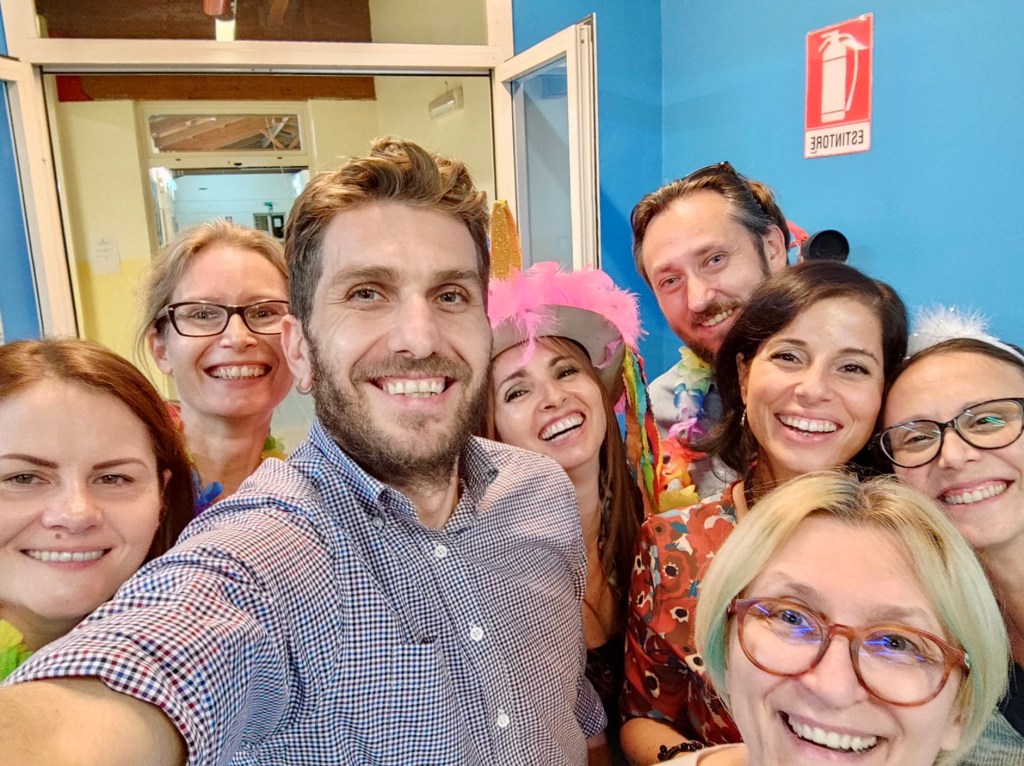
L’ultimo giorno è inevitabilmente quello del resoconto finale di questa nostra esperienza. Le ore che ci separano dal viaggio di ritorno in aeroporto le trascorriamo girando tranquillamente tra le quiete strade di Konstancin passando attraverso il parco cittadino e ammirando le stupende ville con ampi giardini. Le nostre “Alessandre” decidono di affacciarsi ancora una volta a NoBell school per un paio di ore, come per prendere ancora un po’ di quella energia positiva che si intravede in quella scuola. Noi invece camminiamo tutti con un po’ di nostalgia tra le mani ma anche con tanta voglia di provare a portare questa nostra esperienza alla nostra scuola e ai nostri colleghi. Ancora una volta Magda, la nostra referente in tutto e per tutto, ci accompagna spiegandoci pazientemente le dinamiche di questa piccola città, si spinge più in là raccontandoci della sua famiglia e delle sue origini. I rapporti si sono intensificati molto in questi giorni, lei ci riconosce che sono stati giorni intensi e positivi anche per loro, si gettano le basi per future e prossime collaborazioni. Quello che abbiamo vissuto a NoBell è stato qualcosa per me di molto intenso e a volte speciale. Aldilà del carattere innovativo e all’avanguardia delle loro lezioni (che onestamente non avevo quasi mai visto così frequenti nella mia carriera di insegnante) mi è piaciuta molto la loro tranquillità e la semplicità che si respira in quei corridoi. I ragazzi vengono stimolati, sembrano sereni, il personale scolastico è attento ma allo stesso tempo lascia tanto spazio d’espressione ai ragazzi. Me ne vado con tanta felicità, ho creduto tanto in questo progetto e averne fatto parte in tutte le sue fasi mi ha dato moltissime soddisfazioni. Sono estremamente convinto che queste esperienze siano da ripetersi continuamente, sono momenti di crescita e di apprendimento continuo che nel mondo dell’istruzione non devono mai mancare.
Dziękuję Konstancin, é stato fantastico vivere questa settimana con voi!
Giuliano DM
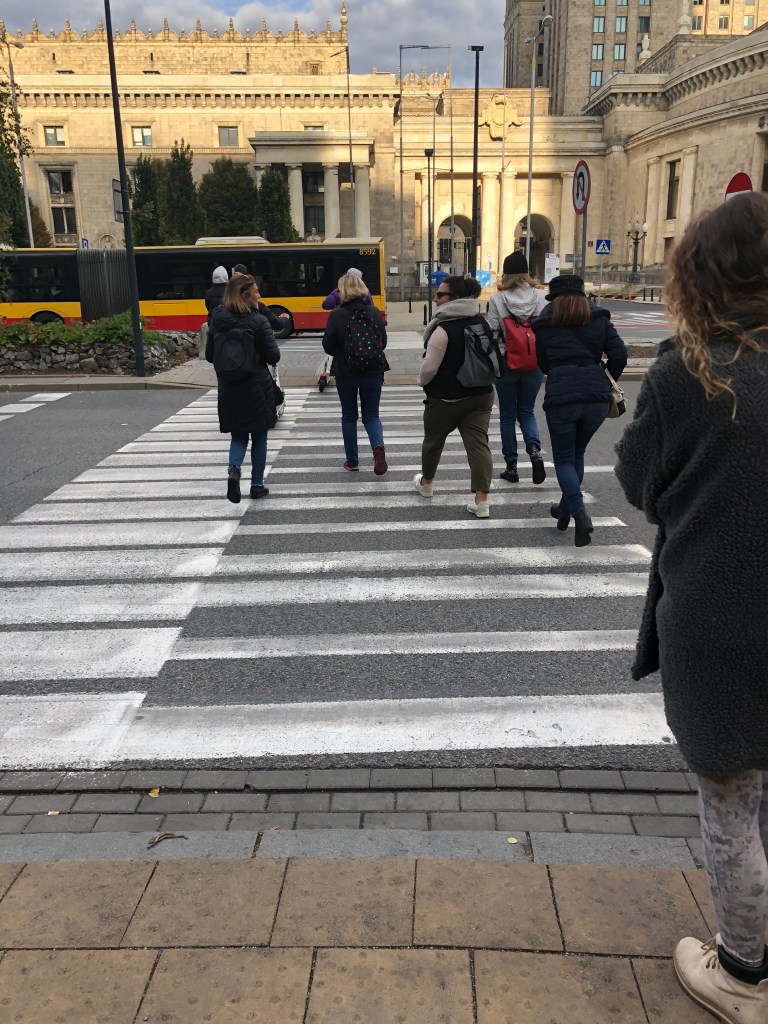
The last day is inevitably that of the final account of our experience. The hours that separate us from the return trip are spent quietly wandering around the quiet streets of Konstancin, passing through the city park and admiring the beautiful villas with large gardens. Our ‘Alessandre’ decide to pop into NoBell school again for a couple of hours, to take in some more of the positive energy that can be perceived there. On the other hand, the rest of us walk around with a little nostalgia but also with a great desire to try to bring this experience to our school and our colleagues. Once again Magda, our contact person in everything, accompanies us patiently explaining the dynamics of this small town; she goes even further telling us about her family and her origins. Relationships have intensified a lot in these days, she says to us that they have been intense and positive days for them too, laying the foundations for future and forthcoming collaborations. What we experienced at NoBell was something very intense and at times special for me. Beyond the innovative and avant-garde nature of their lessons (which I had honestly never seen so often in my teaching career), I really liked the calmness and simplicity that one breathes in those corridors. The children are stimulated, they seem serene, the school staff are careful but at the same time leave the children free to express themselves. I leave with a lot of happiness, I believed so much in this project and having been part of it in all its phases has given me a lot of satisfaction. I am extremely convinced that these experiences should be repeated again and again, they are moments of continuous growth and learning that the world of education should never be missing.
Giuliano DM
Dziękuję Konstancin, it was fantastic to live this week with you!