
8:30: Plac Zabaw. Viviamo insieme ai bimbi della primaria un’escursione al mercato del paese. Il compito è quello di procurarsi, con un budget stabilito, 1 kg di cetrioli, del finocchio, aglio e ravanelli, ingredienti per realizzare poi insieme a scuola barattoli di cetrioli sotto aceto da vendere per ricavarne fondi da donare in beneficienza. I bimbi osservano, cercano la bancarella più conveniente, fanno la fila, contrattano, pagano, controllano il resto, si consultano per valutare gli acquisti. Noi li seguiamo con ammirazione. Con loro ci sono tre docenti a supervisionare e rispondere ad eventuali necessità.
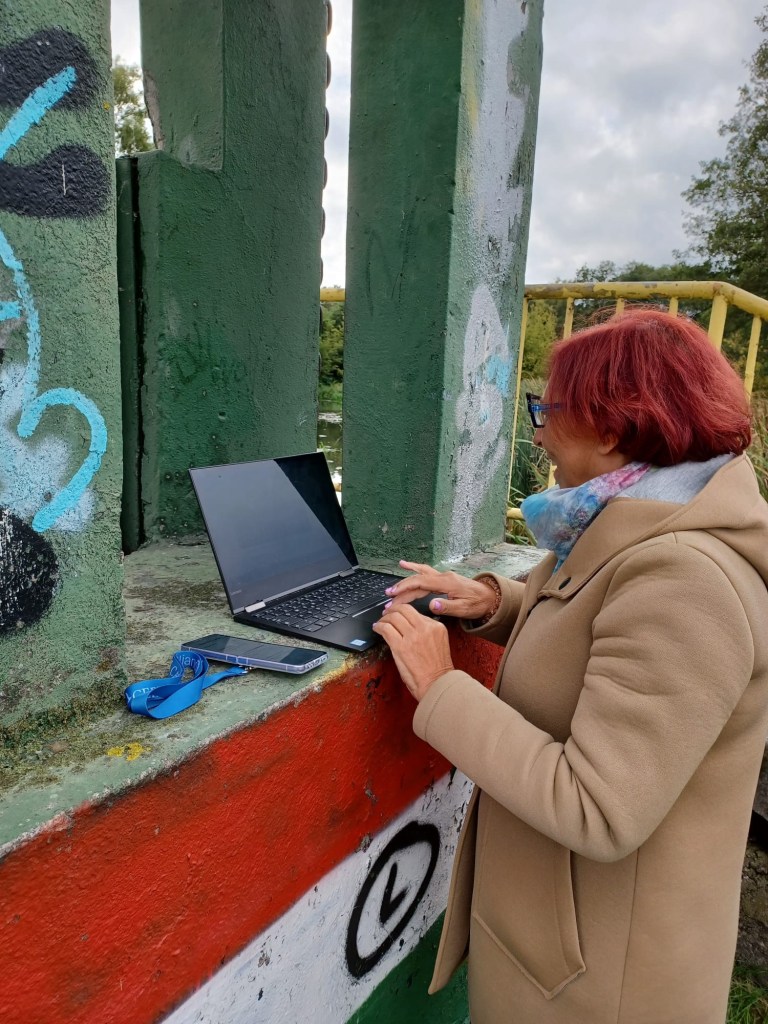
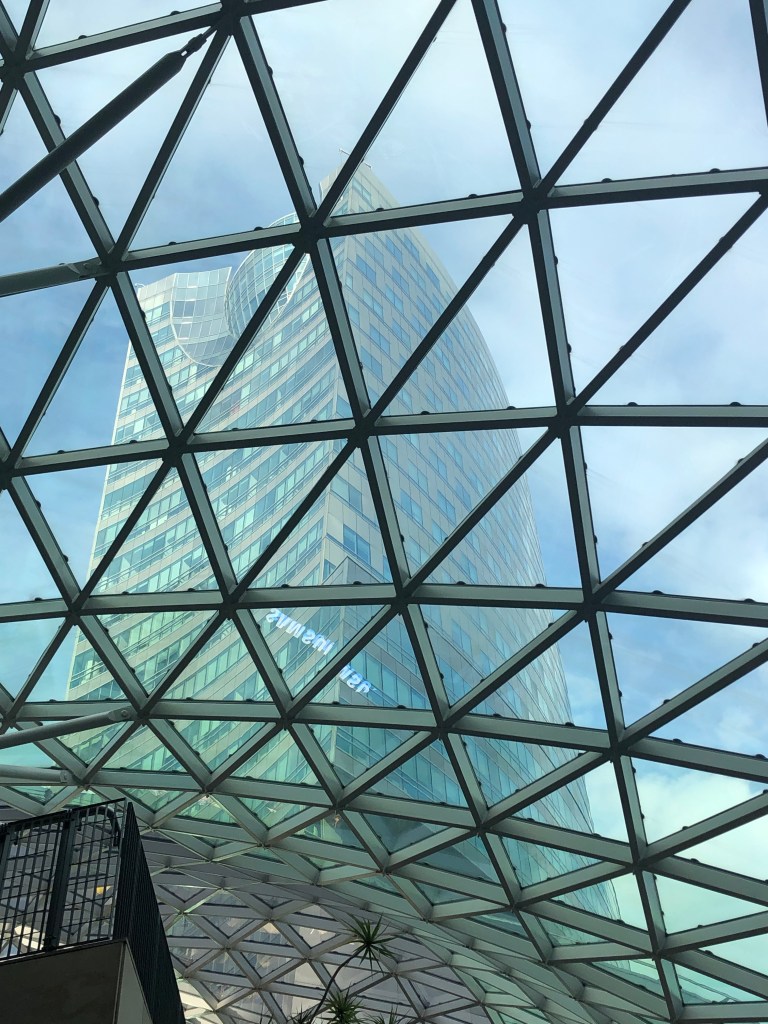
Nella pausa caffè, che ci siamo concessi nel centro commerciale costruito all’interno di un’antica fabbrica di carta riqualificata (Stara Papierna), Magda ci presenta il progetto di OUTDOOR Education, per il quale la scuola No Bell ha ricevuto dei finanziamenti statali. Uno staff di docenti misti, provenienti da scuole pubbliche e private, crea delle ambientazioni e degli scenari affinché gli studenti possano imparare in maniera interdisciplinare un determinato argomento spostandosi all’aperto, di solito in base ad una mappa loro consegnata, per affrontare una serie di missioni, con problemi da risolvere, spunti su cui riflettere, suoni nuovi da accogliere. Alla fine del percorso otterranno dei premi e, nel frattempo, avranno costruito, camminando, un loro percorso di apprendimento rispetto al tema proposto. Nella seconda parte della mattinata, abbiamo osservato un’attività legata a questo progetto nel bel parco che costeggia le rive del fiume Jeziorka, a Kostancin-Jeziorna. Il tema è quello del rapporto tra uomo e ambiente con un particolare focus sull’eco-sistema fluviale. Lo scenario comprende un personaggio, il castoro che sostiene che il cambiamento non esiste. Compito degli studenti, divisi in piccoli gruppi, è proprio quello di dimostrargli cosa ne pensano loro. Gli alunni, questa volta di scuola secondaria, si muovono nel bosco con disinvoltura. Compilano schede plastificate con pennarelli cancellabili, ascoltano una poesia da YouTube, si prendono spontaneamente delle pause se ne hanno necessità. La pioggia ci interrompe; un buon pranzo in mensa e via ad esplorare di nuovo Warsawa.
Tra sole e pioggia, grazie alla nostra guida Graziella, impariamo molto sulla storia di questa città ed i suoi simboli. Il Palazzo della Cultura odiato, accettato e poi diventato un riferimento tanto da essere riconosciuto Patrimonio Unesco; la storia della Rivolta dei cittadini che hanno provato ad affrancarsi in autonomia dall’occupazione tedesca, per evitare l’ingerenza russa, ma che poi, non essendovi riusciti e dovendo dichiarare ufficialmente una capitolazione, si sono attirati le ire funeste di Hitler e il suo desiderio di distruggerne ogni edificio. L’80% della città fu per questo distrutta dai bombardamenti e il centro venne poi ricostruito sulla base di alcuni disegni miracolosamente preservati realizzati da Canaletto nel XVIII secolo. Del ghetto ebraico e di tante altre parti di questo luogo speciale non rimane nulla se non la traccia di violenti passaggi stranieri e tentativi di riappropriazione della propria identità nel corso dei secoli. La frase incisa sul piedistallo della statua dedicata al generale Josef Pilsudski eretta negli anni della nascita della repubblica sovietica, sembra sintetizzare benissimo lo spirito dei varsaviani: “Essere sconfitti ma non arrendersi è vittoria, essere vittoriosi e sedersi sugli allori è una sconfitta”. Varsavia, una città con un cuore ferito che non si abbatte e che custodisce molte memorie, un cuore che non si sa bene dove sia in questa città ma che suona al ritmo di quello di Chopin, custodito per volontà del musicista nella chiesa di Santa Croce.
“Secondo giorno nella scuola “No bell” incentrato sull’educazione fuori dalle mura scolastiche. Una giornata all’insegna della libertà, del compito autentico, del pensiero critico, dell’interdisciplinarietà, della conoscenza del territorio, dell’apprendimento per competenze. Bambini rilassati, autonomi, felici di apprendere e di mettersi in gioco immersi nella società prima e nella natura poi. La loro disinvoltura e l’interesse con il quale apprendono, sia al chiuso che all’aperto, si possono toccare con mano e sono sicuramente frutto di una consuetudine nell’utilizzo delle metodologie innovative che abbiamo potuto osservare. Un lavoro programmato nei minimi dettagli dal team di docenti che ha collaborato per creare un’attività divertente e multidisciplinare. Se la scuola è preparare alla vita adulta nella società di domani, questi bambini saranno sicuramente pronti una volta finito il percorso scolastico.”
Ilaria e Monia
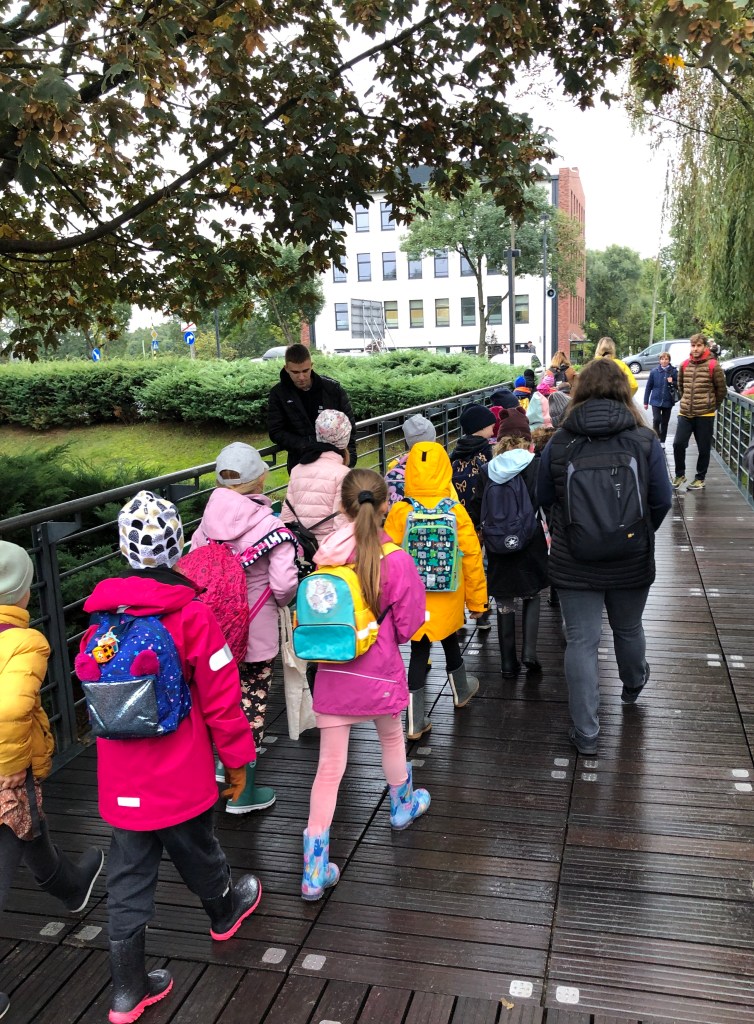


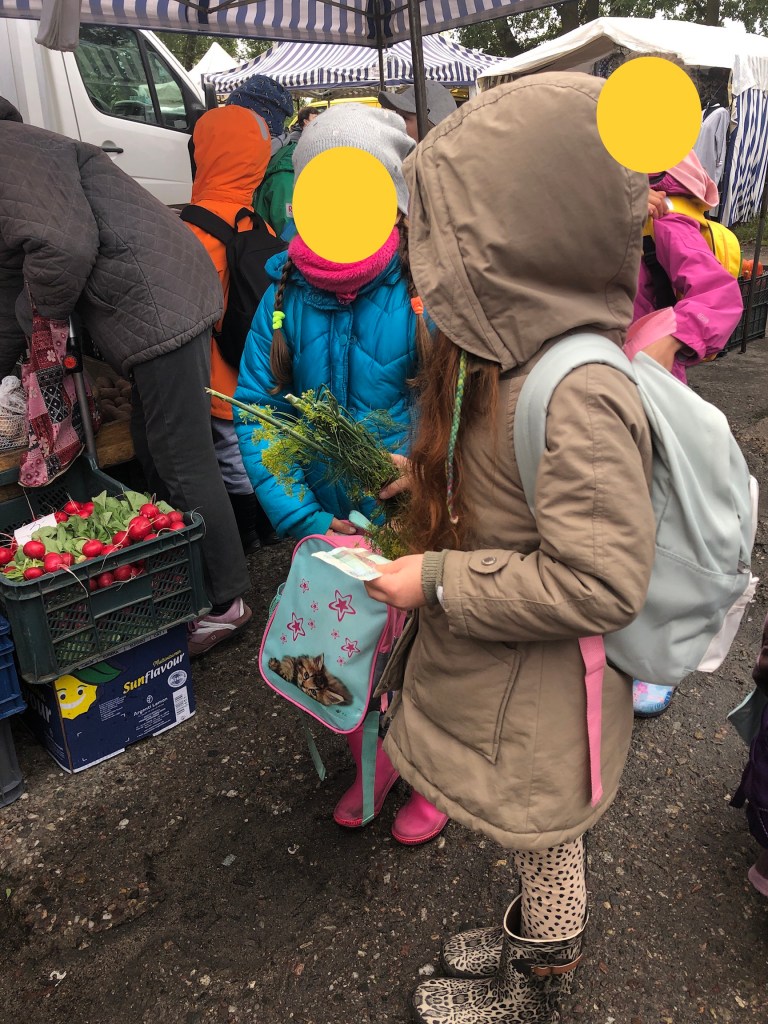

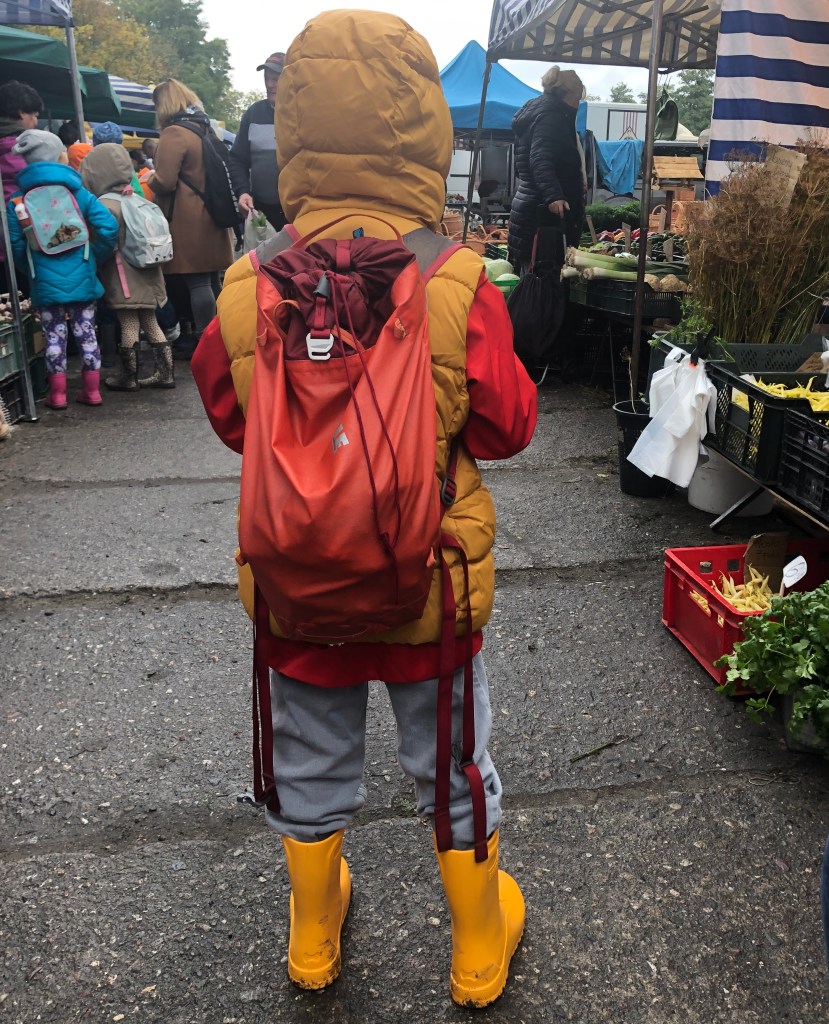




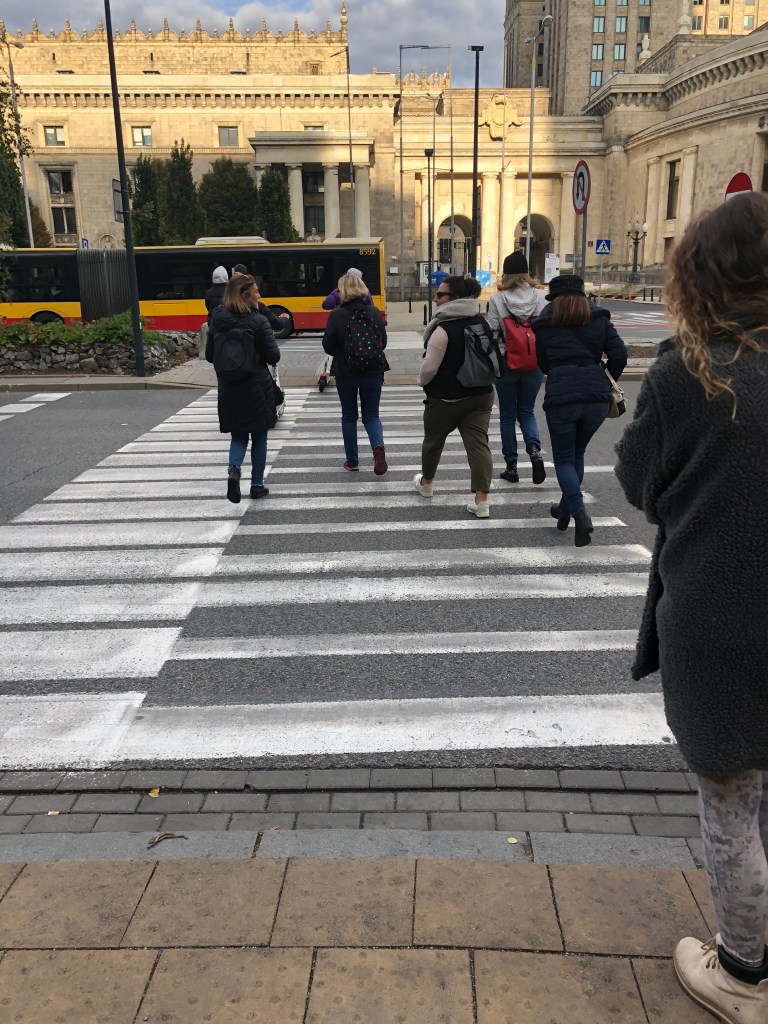


8:30 a.m.: Plac Zabaw. We experience together with the primary school children an excursion to the village market. The task is to get, on a set budget, 1 kg of cucumbers, some fennel, garlic and radishes, ingredients to make pickled cucumber jars together at school to sell, in order to raise money to donate to charity. The children watch, look for the cheapest stall, line up, haggle, pay, check change, consult the others in the group to consider purchases. We follow them with admiration. With them are three teachers to supervise and respond to any needs.
During our coffee break in the shopping center built inside an old redeveloped paper factory (Stara Papierna), Magda introduces us to the OUTDOOR Education project, for which the “No Bell” school received state funding. A staff of mixed teachers from public and private schools create settings and scenarios so that students can learn about a particular topic by moving outdoors, usually based on a map given to them, to tackle a series of quests, with problems to solve, cues to reflect on, new sounds to take in. At the end of the journey they will earn prizes and, in the process, will have constructed, by walking, their own learning path with respect to the proposed topic. In the second part of the morning, we observed an activity related to this project in the beautiful park bordering the banks of the Jeziorka River in Kostancin-Jeziorna. The theme is that of the relationship between humans and the environment with a particular focus on the river eco-system. The scenario includes a character, the beaver, who claims that change does not exist. The task of the students, divided into small groups, this time low secondary school students, is to present their point of view on the issue. They move through the park with ease while they fill out laminated cards with erasable markers, listen to a poem from YouTube, spontaneously take breaks if they need to. Rain interrupts us; a good lunch in the cafeteria and off to explore Warsawa again.
Between sun and rain, thanks to our guide Graziella, we learn a lot about the history of this city and its symbols. The Palace of Culture that was hated, accepted and then became a landmark so much that now it is recognized as a UNESCO World Heritage Site; the story of the Revolt of the citizens who tried to free themselves independently from German occupation, to avoid Russian interference, but then, having failed to do so and having to officially declare a capitulation, drew the deadly wrath of Hitler and his desire to destroy every building. Eighty percent of the city was destroyed by bombing for this, and the center was later rebuilt on the basis of some miraculously preserved drawings made by Canaletto in the 18th century. Nothing remains of the Jewish ghetto and many other parts of this special place except the trace of violent foreign crossings and attempts to regain an identity over the centuries. The phrase engraved on the pedestal of the statue dedicated to General Josef Pilsudski, erected in the years of the birth of the Polish republic, seems to summarise very well the spirit of Warsaw: “To be defeated but not to surrender is victory, to be victorious and to sit on one’s laurels is defeat.” Warsaw, a city with a wounded heart that does not give up and that holds many memories, a heart that is not sure where it is in this city but that plays to the rhythm of Chopin’s, preserved, by the musician’s will, in the Church of the Holy Cross.
“Second day in the “No bell” school focused on education outside the school walls. A day of freedom, authentic task, critical thinking, interdisciplinary, local knowledge, learning by skills. Children relax, autonomous, happy to learn and get involved immersed first in society and then in nature. Their nonchalance and the interest with which they learn, both indoors and outdoors, can be touched and are certainly the result of a habit of using innovative methodologies that we were able to observe. A job planned down to the last detail by the team of teachers who collaborated to create a fun and multidisciplinary activity. If school is about preparing for adult life in tomorrow’s society, these children will surely be ready once they finish school.”
Ilaria e Monia


Fantastico! Tantissimi spunti che presto condividerete con noi. A presto!
"Mi piace"Piace a 1 persona